How THCA Products Fit Into a Low Tolerance Lifestyle

Ship to
THCA for low tolerance lifestyle enthusiasts is a game-changer in the cannabis world—think of it as cannabis with the safety wheels still attached.
Unlike its well-known cousin THC, THCA won’t leave you stuck on your couch pondering life’s mysteries. It’s the raw, unheated form of cannabis that delivers potential health benefits while keeping your mind clear and your productivity intact. For those seeking non intoxicating cannabis experiences, THCA provides a gentle entry point into the plant’s healing properties.
The beauty of low tolerance cannabis options like THCA lies in their flexibility. You control the intensity of your experience based on how you consume it—raw and mild, or heated and more potent. This level of control transforms cannabis from an unpredictable adventure into a manageable wellness tool that fits seamlessly into a health-conscious lifestyle.
THCA (tetrahydrocannabinolic acid) is the raw, acidic precursor to THC that exists naturally in living cannabis plants. Think of it as THC’s chill cousin—structurally similar but with a completely different personality. This non-psychoactive cannabinoid won’t send you on a mental rollercoaster, making it the perfect companion for those seeking THCA low tolerance experiences.
The magic lies in that extra carboxyl group attached to the THCA molecule. This molecular appendage acts like a biological lock, preventing THCA from binding effectively to your brain’s CB1 receptors—the same receptors responsible for THC’s notorious high. Your endocannabinoid system recognizes THCA, but it doesn’t trigger the psychoactive fireworks.
Here’s where chemistry gets practical: decarboxylation transforms everything. Apply heat—whether through smoking, vaping, or baking—and that carboxyl group breaks off like a departing train car. What remains? Pure THC with all its intoxicating glory.
The THCA vs THC effects comparison reveals a stark contrast:
Raw THCA consumption means you’re working with the plant in its natural state. No heat, no conversion, no surprise intoxication. This predictability makes THCA particularly attractive for cautious consumers who want to dip their toes into cannabis wellness without diving headfirst into psychoactive waters. The compound delivers potential health benefits while respecting your desire to stay clear-headed and functional throughout your day.
THCA wellness products offer a wide range of health benefits that make them especially appealing to those seeking therapeutic effects without the mental haze. Research indicates that this cannabinoid acid has significant medicinal properties while keeping your mind clear—an ideal combination for health-conscious cannabis users.
One of the most promising qualities of THCA is its ability to reduce inflammation. Studies suggest that THCA may help alleviate inflammation throughout the body, potentially providing relief for conditions such as arthritis, inflammatory bowel disease, and chronic pain. It’s like nature’s ibuprofen, derived from a plant and gentle on your stomach lining.
The neuroprotective abilities of THCA are worth noting. Early studies indicate that THCA has the potential to safeguard brain cells from damage and degeneration, which could be beneficial for conditions like Parkinson’s disease and Alzheimer’s. Your brain remains sharp while potentially receiving protective benefits—a win-win situation.
THCA is also known for its effectiveness in managing nausea and vomiting, particularly for patients undergoing chemotherapy or dealing with digestive disorders. Unlike THC-heavy products that may leave you inactive, THCA allows you to carry on with your daily activities while keeping queasiness at bay.
The therapeutic benefits of THCA are particularly valuable for individuals who need to remain functional. Parents managing chronic conditions, professionals dealing with inflammation, or anyone unable to experience impairment during the day—these are the individuals who stand to gain the most from THCA’s distinct profile. You receive the medicine without altering your mind, enabling you to fulfill your responsibilities while addressing health issues.
THCA products come in a delightful variety of formats, each designed to accommodate different preferences and lifestyles. The beauty of these low dose cannabis options lies in their versatility—you can pick what fits your routine without compromising your commitment to a controlled experience.
Raw THCA flower represents the purest form available. Think of it as cannabis in its birthday suit—unheated, unprocessed, and ready to deliver therapeutic benefits without the psychoactive punch. You can juice it, blend it into smoothies, or incorporate it into cold-pressed preparations. Some adventurous souls even add raw flower to salads (though we recommend starting small unless you’re particularly fond of that distinctive cannabis flavor).
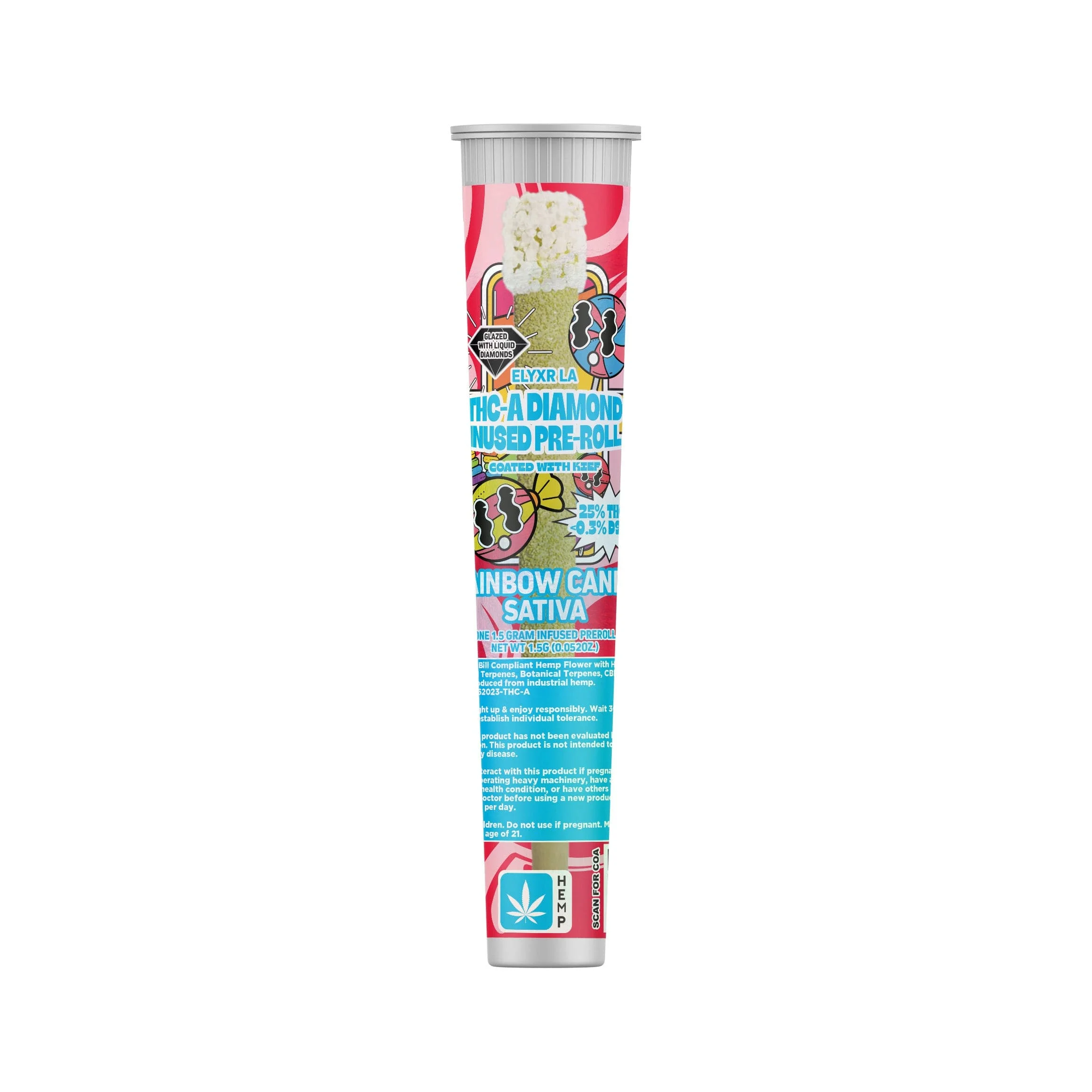
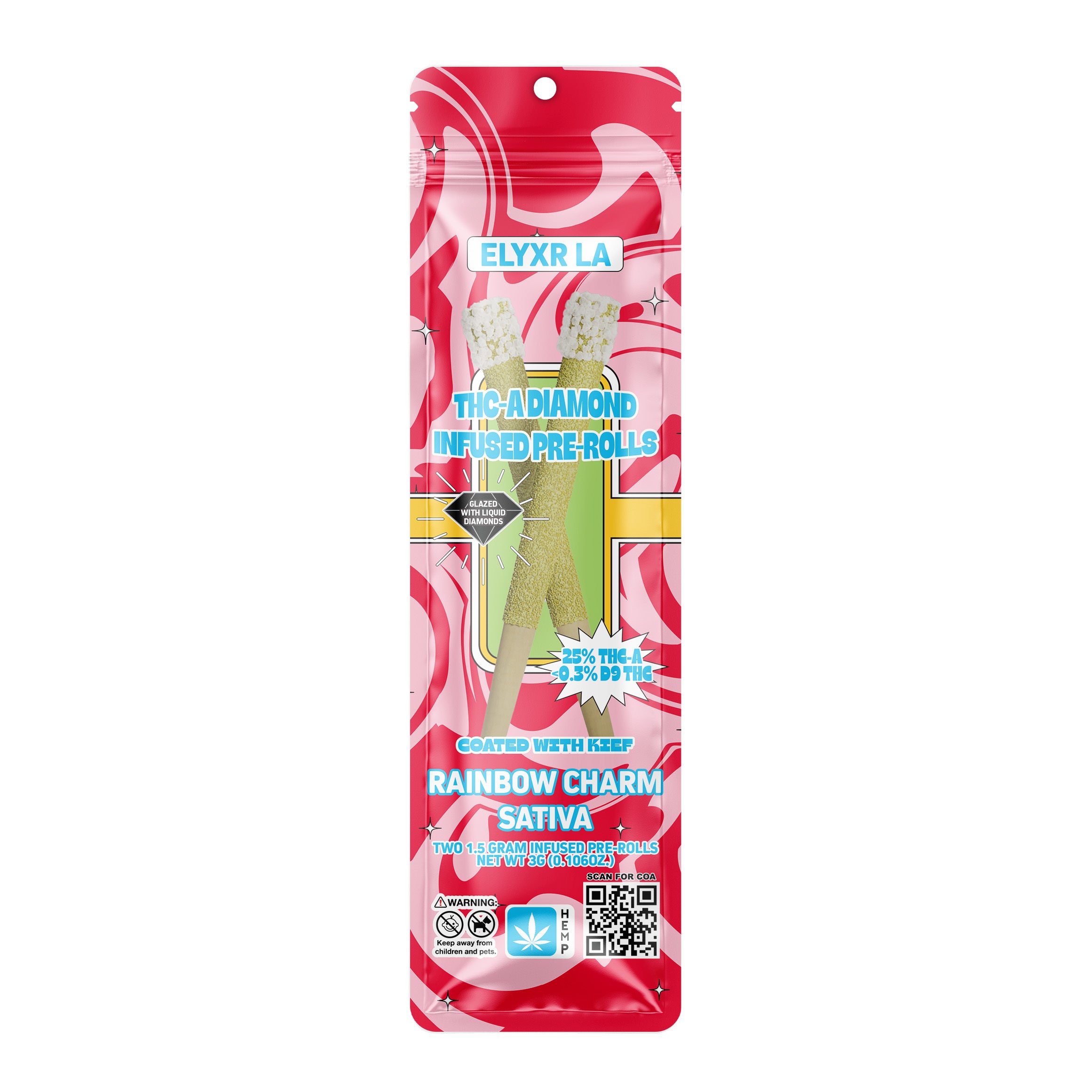
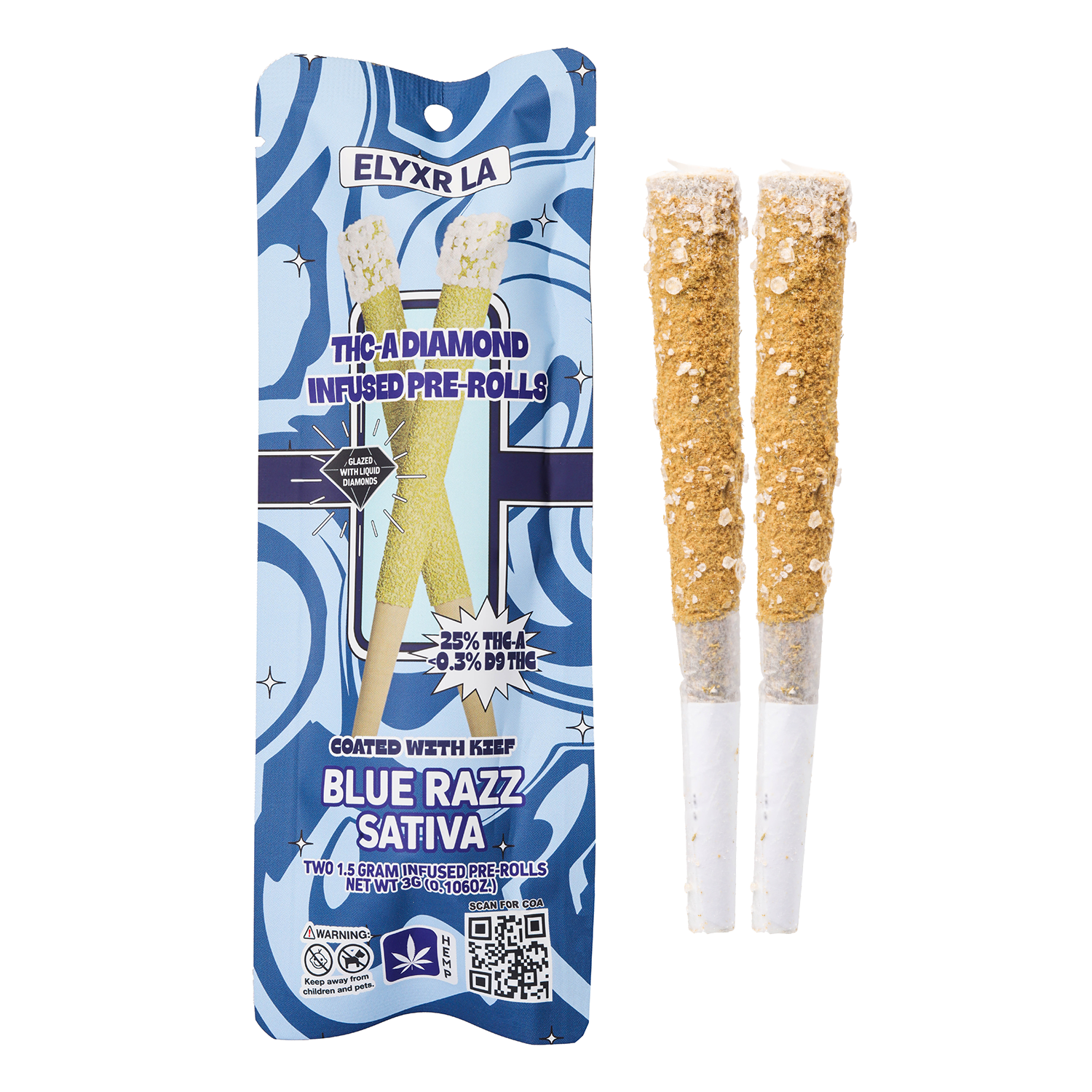
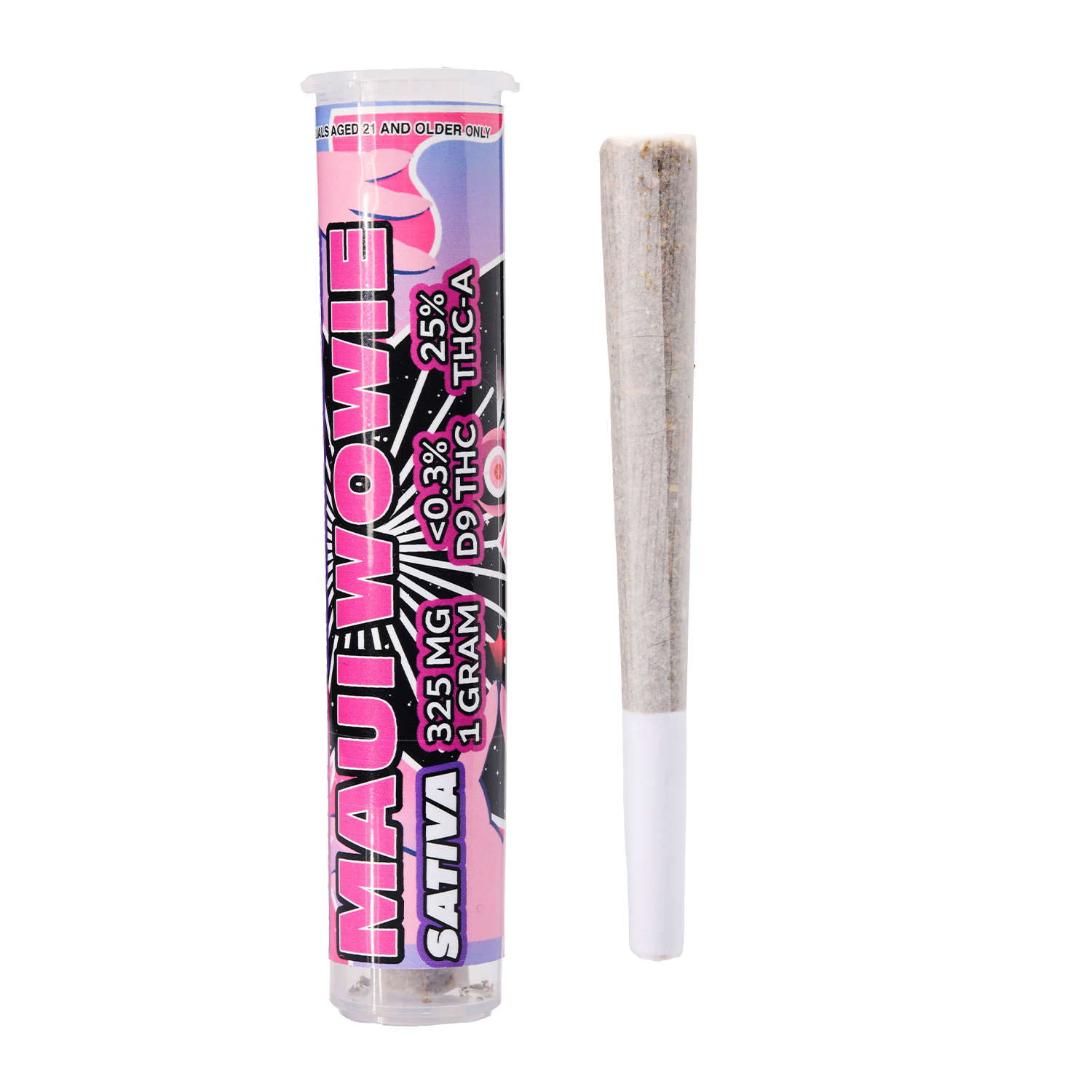
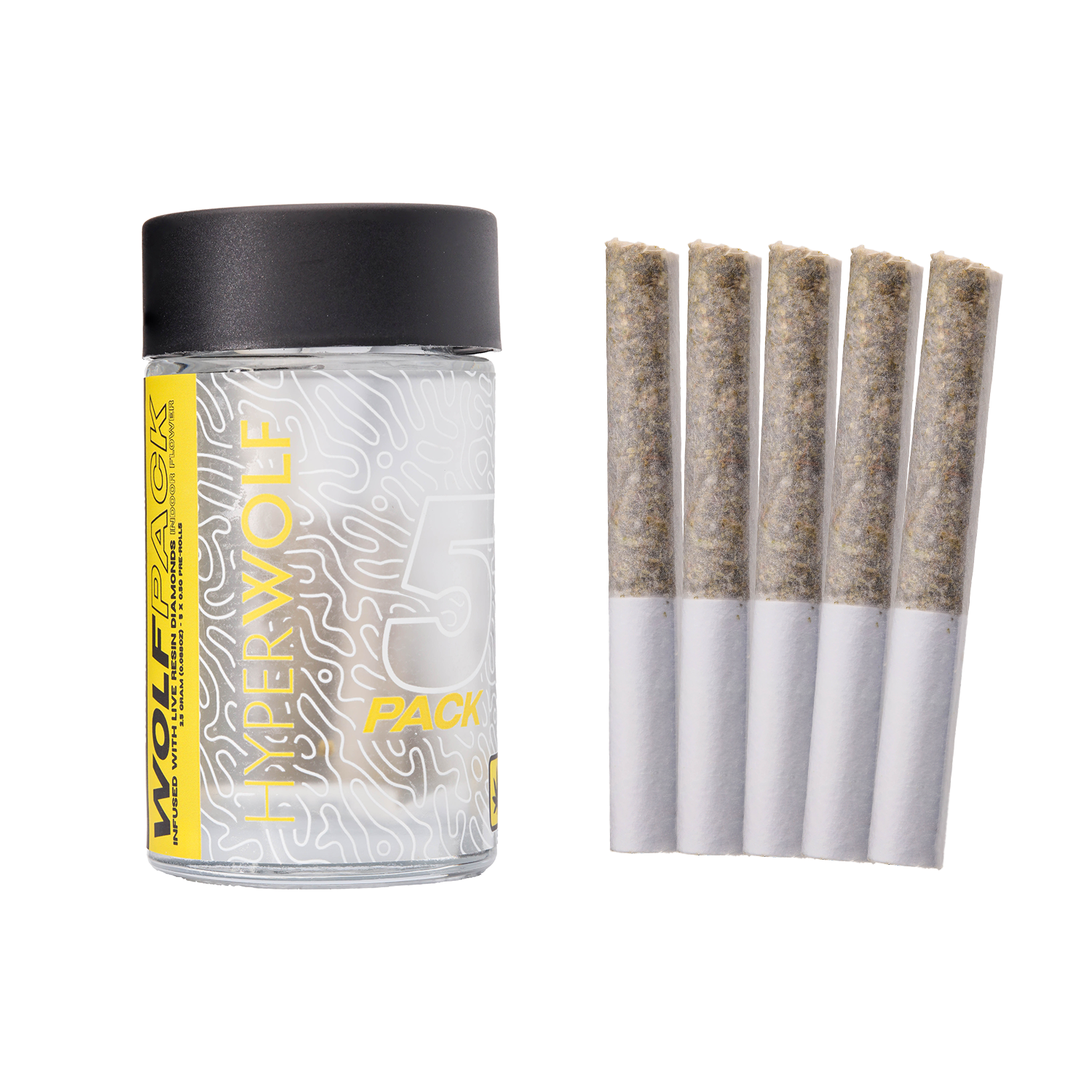
Pre-rolls offer convenience for those who prefer traditional consumption methods but want to avoid decarboxylation. These are typically designed for cold smoking or can be broken apart for raw consumption.
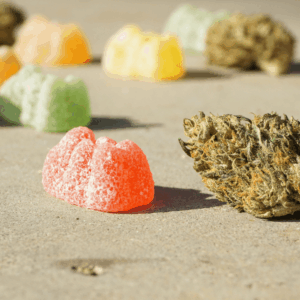
THCA gummies have become wildly popular among the THCA for Low Tolerance Lifestyle crowd. They’re discreet, precisely dosed, and taste infinitely better than raw flower. Each gummy contains a measured amount of THCA, making it ridiculously easy to track your intake.
Tinctures and oils, like those explained in this comprehensive guide on cannabis tinctures, provide another precise dosing option. A few drops under the tongue, and you’re done. No fuss, no muss, no accidentally eating an entire bag of gummies because they taste like candy (not that anyone’s done that).
The critical factor across all these formats? Temperature matters. Keep your THCA products away from heat sources. Cooking, smoking, or vaping transforms THCA into THC through decarboxylation—essentially turning your gentle therapeutic companion into something considerably more intoxicating. Room temperature or below keeps THCA in its non-psychoactive state, exactly where cautious consumers want it.
Start small, stay smart. The golden rule for controlled cannabis consumption with THCA products is to begin with the lowest possible dose—think 5-10mg for edibles or a single small puff if you’re experimenting with raw flower. Your body’s response to cannabinoids is as unique as your fingerprint, and what works for your cannabis-enthusiast friend might send you into an uncomfortable spiral.
Gradual dosing cannabis isn’t just a suggestion—it’s your safety net. Wait at least 90 minutes to two hours before considering a second dose, especially with edibles and tinctures. THCA products taken orally move through your digestive system at their own leisurely pace, and impatience is the enemy of a pleasant experience.
The heat trap lurks around every corner for low tolerance users. Smoking or vaping THCA products transforms that gentle, non-intoxicating compound into full-blown THC through decarboxylation. That innocent-looking THCA pre-roll? Light it up, and you’ve just activated the psychoactive effects you were trying to avoid. The temperature threshold sits around 220°F (104°C)—anything above this converts THCA into THC faster than you can say “too high.”
Keep a consumption journal to track:
This record becomes your personalized roadmap, helping you identify your sweet spot without the guesswork. Raw consumption methods—juicing, tinctures under the tongue, or cold-infused preparations—keep THCA in its therapeutic, non-intoxicating form while delivering the benefits you’re seeking.
The legality of THCA products is a complex issue that consumers need to understand. According to the 2018 Farm Bill, hemp-derived products with less than 0.3% Delta-9 THC by dry weight are considered legal at the federal level. However, THCA does not count towards this Delta-9 THC limit because it is a different compound until it is heated and converted.
This legal loophole allows you to buy THCA flower with high amounts of the cannabinoid as long as the Delta-9 THC content remains below 0.3%. It can be seen as a legal way to access cannabis products, even though it may raise some eyebrows.
State laws may differ. Some states have recognized this difference and have their own rules regarding THCA products, treating them like regular cannabis. Before making a purchase, it’s important to:
The cannabis market offers several non intoxicating cannabis alternatives for cautious consumers. These options include:
THCA stands apart in this landscape of low dose cannabis options. Unlike CBD products that lack THC’s specific benefits, THCA converts to full-spectrum THC only when you choose to heat it. This gives you complete control over your experience—consume it raw for zero intoxication, or apply gentle heat for a measured psychoactive effect.
The flexibility makes THCA for Low Tolerance Lifestyle particularly attractive. You’re not locked into a single experience level. Raw THCA juice in your morning smoothie delivers anti-inflammatory benefits without affecting your workday, while the same product can be lightly heated for evening relaxation. This dual-purpose functionality eliminates the need to purchase separate products for different occasions, streamlining your wellness routine while maintaining precise control over intoxication levels.
THCA is a game-changer for low tolerance lifestyle enthusiasts in the cannabis wellness space. This non-intoxicating cannabinoid offers anti-inflammatory, neuroprotective, and antiemetic benefits without the mental fog or anxiety that can disrupt your day. It’s like cannabis with training wheels—except these wheels never come off unless you intentionally heat them.
The beauty of controlled cannabis use with THCA is its flexibility. Whether you prefer raw flower in smoothies, tinctures under the tongue, or gummies straight from the package, each method allows you to have full control over your experience. There’s no risk of unpredictable highs or uncertainty about your ability to function in an hour.
Start low, stay curious, and don’t hesitate to try different forms until you find what works best for you. Your body’s unique chemistry will lead you to the ideal THCA routine. Whether you’re dealing with inflammation, supporting neurological health, or simply seeking gentle relief, THCA provides a sophisticated approach to cannabis that respects your limits while offering genuine therapeutic benefits.

Jun 22, 2026 Jenna Renz

Jun 22, 2026 Jenna Renz

Jun 22, 2026 Jenna Renz