Nootropic Mushrooms: Nature’s Brain Boosters

Ship to
In today’s fast-paced world, mental clarity, focus, and cognitive health have never been more important.
So, what are nootropic mushrooms, and why should you care about them? This guide explores everything you need to know about these fascinating fungi—from their brain-boosting health benefits to the specific mushrooms that provide the most cognitive support.
If you’re looking to optimize your brain health using nature’s finest, this blog is for you.
The concept of nootropics is often associated with cognitive enhancers that promote mental clarity, focus, and memory. However, the most common nootropic compounds found in mushrooms differ in their mode of action from traditional pharmaceutical nootropics. So how exactly do nootropic mushrooms work in the brain?
At the core of these mushrooms’ effectiveness is the interaction with the central nervous system, particularly the neurotransmitter systems responsible for brain activity. Nootropic mushrooms contain various bioactive compounds, such as beta-glucans, polysaccharides, hericenones, and erinacines. These compounds can stimulate neurogenesis (the growth of new neurons) and promote neuroplasticity, the brain’s ability to form new connections and adapt to new information.
Here are some key effects of nootropic mushrooms on the brain:
By nourishing the brain, nootropic mushrooms essentially promote a more resilient, sharp, and productive mind. The way they enhance brain function is not just about boosting brainpower temporarily but also about supporting long-term brain health and longevity.
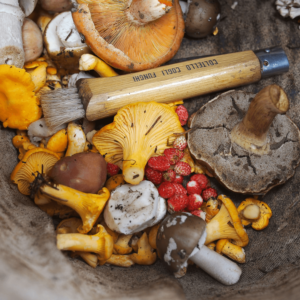
To understand the impact of nootropic mushrooms on brain health, we need to look into the science of how they affect the brain. Many people take nootropics to boost cognitive performance or prevent cognitive decline, and mushrooms have long been known to play a role in supporting overall brain health.
The term neurogenesis refers to the formation of new neurons (brain cells), while neuroprotection involves protecting the brain from damage, whether from injury, disease, or aging.
Several nootropic mushrooms, especially Lion’s Mane, are associated with promoting neurogenesis and enhancing the brain’s ability to form new neural pathways. This is particularly important as we age, as neurogenesis slows down and cognitive decline can set in.
One of the major contributors to cognitive decline and neurodegenerative diseases like Alzheimer’s is inflammation. Research has shown that chronic inflammation in the brain can damage neurons and lead to cognitive impairment.
Many nootropic mushrooms have anti-inflammatory properties, thanks to their rich content of antioxidants and polysaccharides. These compounds help reduce neuroinflammation, supporting healthy brain function.
For example, Chaga mushroom is renowned for its powerful antioxidant properties, which help to neutralize free radicals—molecules that cause oxidative stress and contribute to aging. By reducing oxidative stress, Chaga and other mushrooms can protect the brain from degenerative diseases and cognitive decline.
Nootropic mushrooms are not just about slowing down cognitive decline; they actively enhance cognitive function. Some mushrooms, such as Cordyceps, increase the brain’s oxygen supply, boosting focus, stamina, and mental clarity. Others, like Reishi, reduce stress, which in turn supports better decision-making and cognitive performance.
By supporting brain health on multiple fronts—through neurogenesis, neuroprotection, inflammation reduction, and cognitive enhancement—nootropic mushrooms create an environment in the brain that fosters optimal performance.
When it comes to nootropic mushrooms, Lion’s Mane is often regarded as the undisputed champion for cognitive enhancement. It has earned its place as a brain-boosting powerhouse due to its ability to stimulate nerve growth factor (NGF), a protein crucial for the development, maintenance, and survival of neurons.
This ability to increase NGF production can lead to a range of cognitive benefits, including improved memory, focus, and mental clarity.
Lion’s Mane contains bioactive compounds like hericenones and erinacines, which have been shown to stimulate the production of NGF.
NGF is essential for the growth and repair of neurons in the brain, particularly in areas involved in learning, memory, and neuroprotection. Some studies have even suggested that Lion’s Mane can help in the regeneration of nerve cells, making it a potential ally in the fight against neurodegenerative diseases like Alzheimer’s and Parkinson’s.
For those looking to improve their memory and cognitive sharpness, Lion’s Mane is a top choice. Some research has shown that Lion’s Mane may enhance the ability to retain information, concentrate, and solve problems more efficiently.
Lion’s Mane has also been linked to improving mood and mental well-being. Studies suggest that it may be effective in reducing symptoms of anxiety and depression by regulating the production of brain-derived neurotrophic factor (BDNF), a protein associated with brain health and emotional regulation.
Lion’s Mane may offer a dual benefit: it supports cognitive function while promoting mental wellness, making it an ideal option for those seeking a natural, balanced brain booster.
Often referred to as the “mushroom of immortality”, Reishi is best known for its ability to reduce stress and promote longevity. While Reishi does not have the same direct cognitive-boosting effects as Lion’s Mane, it supports brain health in a more indirect but equally important way.
One of Reishi’s most notable effects is its ability to balance the body’s stress response. It does so by modulating cortisol levels, the hormone responsible for stress. Chronic stress can impair brain function, leading to mental fatigue, burnout, and a decline in cognitive performance. By helping the body manage stress, Reishi prevents this negative impact on the brain, promoting a clearer, more focused mind.
Reishi’s adaptogenic properties not only benefit stress management but also contribute to brain longevity.
By reducing inflammation and oxidative stress, Reishi protects the brain from age-related cognitive decline. Some studies have also suggested that Reishi can enhance sleep quality, and since good sleep is vital for brain health, this makes Reishi a valuable ally for maintaining cognitive function as we age.
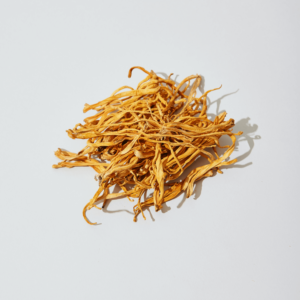
While Cordyceps is most commonly known for its ability to boost physical energy, it also has significant nootropic effects on the brain. By increasing oxygen delivery to the brain, Cordyceps can enhance mental clarity, focus, and mental endurance.
Cordyceps mushrooms contain compounds that help increase the production of ATP, the molecule responsible for energy transfer in the body. This increase in energy production enhances mental stamina, making it easier to maintain focus and mental performance throughout the day.
Chaga is another mushroom that doesn’t get as much recognition as Lion’s Mane or Reishi, but its role in supporting brain health through antioxidant protection is significant. Chaga’s high levels of antioxidants, particularly superoxide dismutase (SOD) and polyphenols, have been shown to protect cells from oxidative damage, which is crucial for maintaining cognitive function as we age.
Oxidative stress plays a major role in aging and the development of cognitive disorders such as Alzheimer’s and Parkinson’s. Chaga helps combat this process by neutralizing free radicals—unstable molecules that can cause damage to brain cells. By reducing oxidative stress, Chaga can help slow the aging process in the brain and may even provide some protection against neurodegenerative diseases.
Moreover, Chaga has been shown to improve the circulation of oxygen and nutrients to the brain, further supporting cognitive health. Some users report feeling more mentally clear and focused after consuming Chaga, making it an ideal supplement for anyone looking to boost their brain health naturally.
In addition to its antioxidant benefits, Chaga has a modulating effect on blood sugar levels, which helps maintain consistent energy throughout the day. This can lead to improved focus and mental clarity, particularly in individuals who may experience blood sugar crashes that lead to brain fog or lack of concentration.
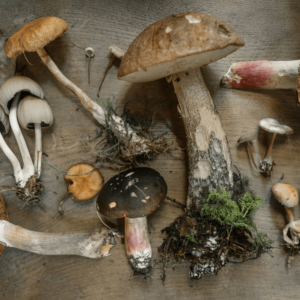
While mushrooms like Lion’s Mane, Cordyceps, and Reishi are often the first names that come to mind when people think about nootropic mushrooms, Turkey Tail is quickly gaining attention for its unique ability to support gut health—and consequently, brain health.
There’s a growing body of research connecting gut health to brain function, commonly referred to as the gut-brain axis. The gut contains a large portion of the body’s immune system, and it directly communicates with the brain through the vagus nerve. Turkey Tail mushrooms are particularly beneficial in this regard because they support a healthy gut microbiome, which plays a crucial role in mood regulation and cognitive function.
Turkey Tail’s primary bioactive compounds, polysaccharopeptides (PSP) and polysaccharides (PSK), help regulate immune function and reduce inflammation in the gut, leading to improved overall health and, by extension, improved mental clarity, focus, and mood.
In addition to supporting the gut, Turkey Tail is known for its immune-boosting properties. A healthy immune system is critical for brain health because chronic inflammation can negatively impact brain function. By reducing inflammation, Turkey Tail supports cognitive performance and emotional well-being, providing a more balanced and resilient mind.
When most people think about mushrooms and mental enhancement, the psychedelic effects of psilocybin mushrooms might come to mind. Psilocybin, the active compound in these mushrooms, is a powerful psychedelic that has been used for centuries in spiritual and ceremonial settings.
However, in recent years, psilocybin has also attracted attention for its potential cognitive benefits, especially when taken in microdoses.
Microdosing refers to the practice of taking very small, sub-hallucinogenic amounts of a psychedelic substance. With psilocybin, this means taking a dose that is too small to induce a full psychedelic trip but still sufficient to produce subtle cognitive effects.
Research on psilocybin microdosing suggests it may offer a variety of cognitive benefits, including:
When looking for a natural brain booster, mental clarity and focus are among the most sought-after benefits. Luckily, many nootropic mushrooms are perfect for improving both of these cognitive functions.
These mushrooms help create a mental environment where focus and clarity thrive. Whether you’re working on a long task, studying, or engaging in creative endeavors, nootropic mushrooms can give you the edge you need.
One of the primary reasons people turn to nootropic mushrooms is to improve their memory. Cognitive decline due to aging or environmental factors can make memory retention more challenging, but certain mushrooms offer support.
As a leader in cognitive enhancement, Lion’s Mane has been shown to significantly improve short-term and long-term memory. By increasing NGF production, Lion’s Mane aids the brain’s ability to form and retain memories. This is particularly helpful for people experiencing memory loss or mild cognitive impairment.
Chaga mushroom, with its potent antioxidant content, protects brain cells from oxidative damage, which can lead to cognitive decline. By reducing oxidative stress, Chaga supports memory function and may help improve mental recall over time.
Reishi’s ability to promote better sleep indirectly benefits memory, as sleep is crucial for consolidating new information and improving recall. With better rest, your brain can better process and retain what you’ve learned during the day.
Many nootropic mushrooms are known for their adaptogenic properties, which help the body manage stress and reduce anxiety. Reishi, in particular, is a top contender for promoting relaxation and emotional balance.
By supporting the body’s natural stress response, nootropic mushrooms can provide relief from the mental and physical toll that anxiety and stress take on your brain.
As we age, our brain naturally undergoes changes, and one of the most concerning of these is cognitive decline. Conditions such as Alzheimer’s disease, dementia, and general age-related memory loss can significantly impact quality of life. However, certain nootropic mushrooms are being studied for their potential role in delaying or preventing these age-related cognitive declines.
As previously mentioned, Lion’s Mane has received considerable attention for its potential to stimulate neurogenesis—the formation of new neurons—and its ability to help maintain healthy neural pathways. This has major implications for the prevention of neurodegenerative diseases like Alzheimer’s.
Research has shown that the compounds in Lion’s Mane can enhance nerve growth factor (NGF) production, which not only aids in neuron growth but also plays a key role in preventing neuron degeneration.
For individuals at risk of cognitive decline or those simply looking to preserve brain health as they age, incorporating Lion’s Mane into a daily regimen may help keep the brain in optimal condition.
The antioxidants in Chaga play a crucial role in protecting the brain from the harmful effects of oxidative stress and free radicals, both of which contribute to brain aging. By neutralizing free radicals, Chaga can help prevent the damage caused by oxidative stress, which is a primary factor in the development of conditions like Alzheimer’s and Parkinson’s disease.
Using Chaga regularly as part of a healthy lifestyle may support brain longevity and decrease the likelihood of cognitive decline in the later stages of life.
While Reishi doesn’t directly promote neurogenesis like Lion’s Mane, it plays a critical role in protecting the brain through its anti-inflammatory and immune-modulating properties.
Chronic inflammation in the brain has been linked to the development of various neurodegenerative diseases. By reducing this inflammation, Reishi may help protect the brain from the long-term effects of aging, improving overall brain function and cognition.

Anyone who’s had to tackle an important project or complete a lengthy task knows how mental clarity and focus can make a huge difference in productivity. Nootropic mushrooms like Cordyceps and Lion’s Mane are ideal for helping people stay on task for longer periods without feeling mentally fatigued or distracted.
While Cordyceps is commonly associated with physical performance, it’s also an effective mushroom for mental stamina. By improving blood flow and oxygenation to the brain, Cordyceps helps ensure that your brain has the necessary resources to perform well during mentally demanding tasks. Many individuals find that Cordyceps helps them stay sharp, focused, and energized during long hours of work or study, providing a natural boost to cognitive performance.
When it comes to mental clarity, Lion’s Mane shines. Its ability to stimulate nerve growth factor (NGF) helps promote neuroplasticity, the brain’s ability to form new connections and adapt. This makes Lion’s Mane a powerful tool for improving not just focus, but also problem-solving and decision-making skills. If you’re facing a mental challenge and need your brain to function at its highest capacity, Lion’s Mane is an excellent choice.
Cognitive health is not just about memory and concentration; it also includes mental wellness. Emotional balance, mood regulation, and stress management are all part of maintaining a healthy mind, and certain nootropic mushrooms can assist in this area as well.
Reishi, widely known as an adaptogen, plays a significant role in stress reduction and mood stabilization. By balancing cortisol levels and improving the body’s resilience to stress, Reishi helps create a sense of emotional calm. This is particularly helpful for individuals who experience anxiety, mood swings, or stress-induced cognitive fog.
Studies have shown that Reishi may also improve sleep quality, which is critical for overall emotional health. A good night’s sleep helps the brain consolidate memories, manage stress, and regulate mood, leading to a more balanced emotional state the following day.
In addition to its cognitive benefits, Lion’s Mane has been found to support emotional health by regulating brain-derived neurotrophic factor (BDNF), a protein that plays a key role in mood regulation and emotional well-being. Regular use of Lion’s Mane may help alleviate symptoms of anxiety and depression, promoting mental clarity while enhancing your mood.
Cordyceps helps boost mental stamina and energy. As an adaptogen, it enhances the body’s ability to cope with stress, making it easier for individuals to handle high-pressure situations. Its ability to increase energy and focus also helps keep the mind clear during stressful times.

While individual mushrooms like Lion’s Mane, Reishi, and Cordyceps offer powerful benefits, many individuals choose to combine multiple nootropic mushrooms to enhance the overall impact on cognitive function and brain health.
Combining Lion’s Mane with Reishi can provide both cognitive enhancement and emotional balance, supporting memory, focus, and mental well-being simultaneously. Pairing Cordyceps with Lion’s Mane creates an effective blend for those who need energy and mental clarity without the jitteriness associated with caffeine.
Some nootropic mushroom blends are formulated specifically to target a range of cognitive benefits—memory, focus, mood stabilization, and brain longevity—to create a comprehensive brain-boosting supplement. Always consider starting with a smaller dose of combined blends to assess tolerance before increasing.
Now that you know the numerous benefits of nootropic mushrooms, the next question is: how can you incorporate them into your daily routine?
The most convenient way to take nootropic mushrooms is through capsules or powdered supplements. Many companies offer mushroom blends that are already formulated to target cognitive function, mental clarity, and overall brain health. Capsules are ideal for those looking for an easy and consistent way to get their daily dose.
Mushroom teas and tinctures are also popular methods of consumption. Drinking mushroom-infused tea, like Lion’s Mane Tea, can be a soothing way to incorporate nootropics into your daily routine, especially in the morning or during a break in the day. Tinctures are liquid extracts that are quickly absorbed into the bloodstream, providing faster effects.
For those who prefer a more versatile option, adding mushroom powder to smoothies is another easy way to include nootropic mushrooms in your diet. Whether it’s a scoop of Lion’s Mane powder or a blend of Cordyceps and Reishi, mixing these powders into your daily smoothies can provide a natural brain-boosting boost.
Nootropic mushrooms offer an exciting and natural way to enhance cognitive function, protect brain health, and support overall mental well-being. Whether you’re looking to improve memory, focus, or stress resilience, these powerful fungi have a range of benefits that can be integrated into your daily life.
With continued research into their neurological effects and potential therapeutic uses, nootropic mushrooms are poised to become a cornerstone in the world of brain health and cognitive enhancement.
By incorporating these mushrooms into your routine, whether in capsule, powder, or tea form, you can harness the natural power of these brain-boosting fungi and unlock your mind’s full potential.

Jun 22, 2026 Jenna Renz

Jun 22, 2026 Jenna Renz

Jun 22, 2026 Jenna Renz