Exploring Ocimene Terpene: Benefits, Effects, and Sources

Ship to
When you think about cannabis and its aromatic compounds, it’s easy to focus on the more famous terpenes like Whether you’re a seasoned cannabis connoisseur or just starting your terpene journey, understanding ocimene terpene can open up new possibilities for enhancing your cannabis experience. In this blog, we’ll dive into everything you need to know about ocimene—from its chemical structure to its therapeutic properties and which cannabis plant strains are rich in this intriguing terpene. Ocimene is a monoterpene, which means it’s a small, aromatic compound commonly found in cannabis and a wide range of other plants. This versatile terpene is often described as having a sweet, citrusy, and herbal aroma—similar to the scent of fresh basil, mint, or even orchids. If you’ve ever enjoyed the refreshing scent of a freshly cut herb garden, you’ve likely encountered ocimene. This terpene is present in many plants, including parsley, mint, hops, and even mangoes. It’s also found in the essential oils of various flowers like orchids and rosemary. Beyond its role in cannabis, ocimene plays an essential part in the natural world by helping plants repel pests and attract pollinators. When it comes to cannabis, ocimene is considered a secondary terpene, meaning it doesn’t define the primary scent or effect of a strain but still contributes to its overall character and therapeutic potential. While many terpenes, like THC and CBD, directly interact with cannabinoid receptors in the body, ocimene doesn’t have the same direct binding effects. Instead, it plays a supporting role in the body, mainly by interacting with the endocannabinoid system and influencing various neurotransmitters. Its potential benefits are often realized through its synergy with other compounds in cannabis, which is part of what’s known as the entourage effect. While ocimene may not be as well-studied as some other terpenes, the current research points to a range of therapeutic effects that go beyond just the “smell good” factor. Ocimene is slowly emerging as a promising terpene with several potential therapeutic benefits. While more research is needed to fully understand its medical applications, existing studies and anecdotal evidence suggest that ocimene could have several health benefits, especially when combined with other terpenes and cannabinoids in cannabis. Here are some of the notable potential benefits of ocimene: Ocimene has been shown to reduce inflammation, which makes it a possible candidate for addressing inflammatory conditions like arthritis and chronic pain. By calming inflammation in the body, ocimene might not only help reduce discomfort but also support joint health and mobility. As an antioxidant, ocimene helps combat the damage caused by free radicals. Oxidative stress can lead to cellular damage and accelerate the aging process, so ocimene’s ability to neutralize these harmful molecules could provide valuable protection, especially as part of a holistic wellness routine. One of ocimene’s standout features is its ability to help fight fungal infections and bacteria. It has natural antifungal properties, making it useful in the treatment of infections like athlete’s foot or candida. Additionally, ocimene may provide antibacterial support, which is useful for general immune health. Ocimene has been linked to potential benefits for respiratory health, including reducing congestion and clearing airways. This could be especially useful for those dealing with seasonal allergies or sinus issues, as ocimene may help alleviate symptoms like nasal congestion or sneezing. While ocimene may not be as potent as some other mood-enhancing terpenes like limonene, it can still contribute to a calming, uplifting effect. Some users report feeling relaxed yet focused after using strains high in ocimene, making it a potential option for those looking to relieve stress without feeling overly sedated. Cannabis breeders and cultivators are paying more attention to the terpene profiles of their strains, and ocimene is gaining popularity for its unique effects and contribution to ocimene flavor. While it’s not as dominant as myrcene or limonene, ocimene-rich strains offer a distinct, sweet and herbal aroma that pairs well with other terpenes to create a balanced experience. When selecting a cannabis strain, it’s always helpful to check the lab-tested terpene profile if available. This will give you a clear indication of how much ocimene a strain contains, helping you choose strains that align with your desired effects. Ocimene may not be the first terpene that comes to mind when you think of cannabis, but it certainly has its place in the entourage effect. With its anti-inflammatory, antioxidant, and antimicrobial properties, ocimene can enhance your overall cannabis experience, especially when paired with other terpenes. For those seeking a strain that offers mild stress relief, respiratory benefits, or immune support, trying a high-ocimene strain might be a great option. Whether you’re exploring cannabis for wellness or looking to broaden your terpene knowledge, ocimene could be your next favorite discovery. Ultimately, like all terpenes, ocimene’s effects will depend on your body chemistry and how it interacts with other cannabinoids and terpenes. So, the next time you’re selecting a strain, don’t forget to check the terpene profile—you might just find the ocimene boost you’re looking for.la/blog/limonene-terpene-effects"> limonene and myrcene. But lurking in the background is ocimene, a terpene that’s slowly starting to gain more attention for its unique profile and potential benefits.
What is Ocimene?

How Ocimene Interacts with the Body
Here’s how ocimene may interact with your body:

Potential Benefits of Ocimene Terpene
1. Anti-inflammatory Effects
2. Antioxidant Properties
3. Antimicrobial and Antifungal Effects
4. Respiratory Health
5. Stress Relief and Mood Enhancement
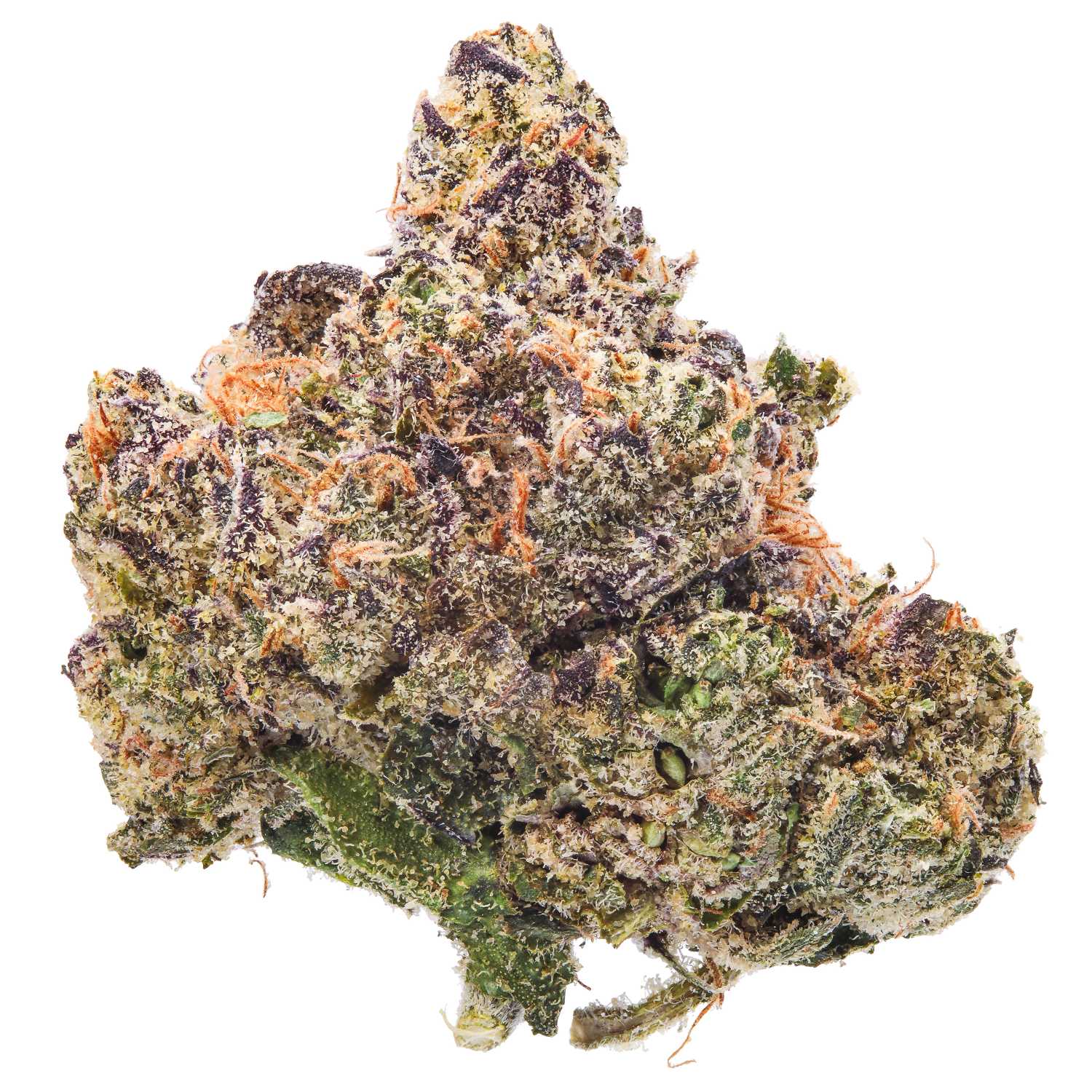
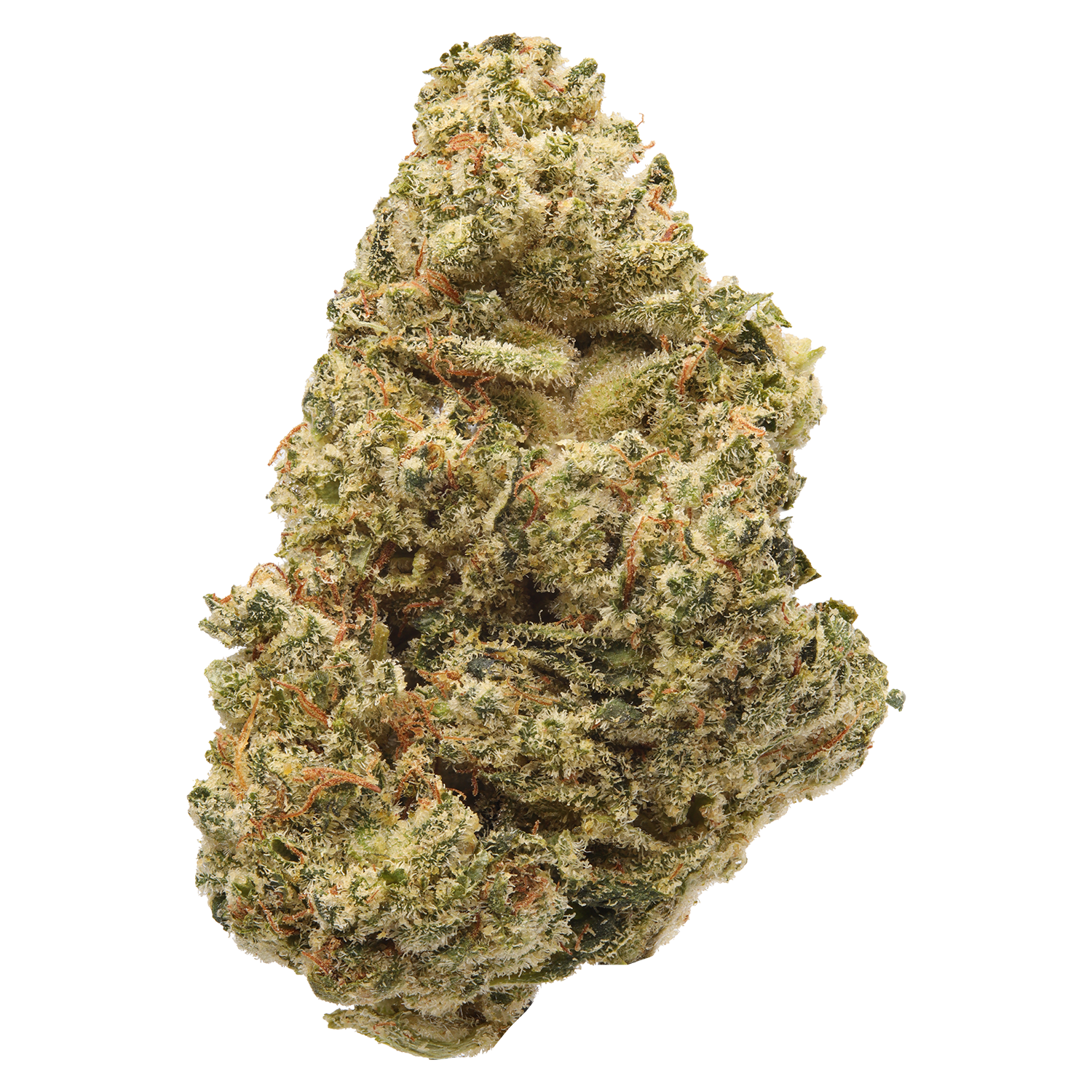
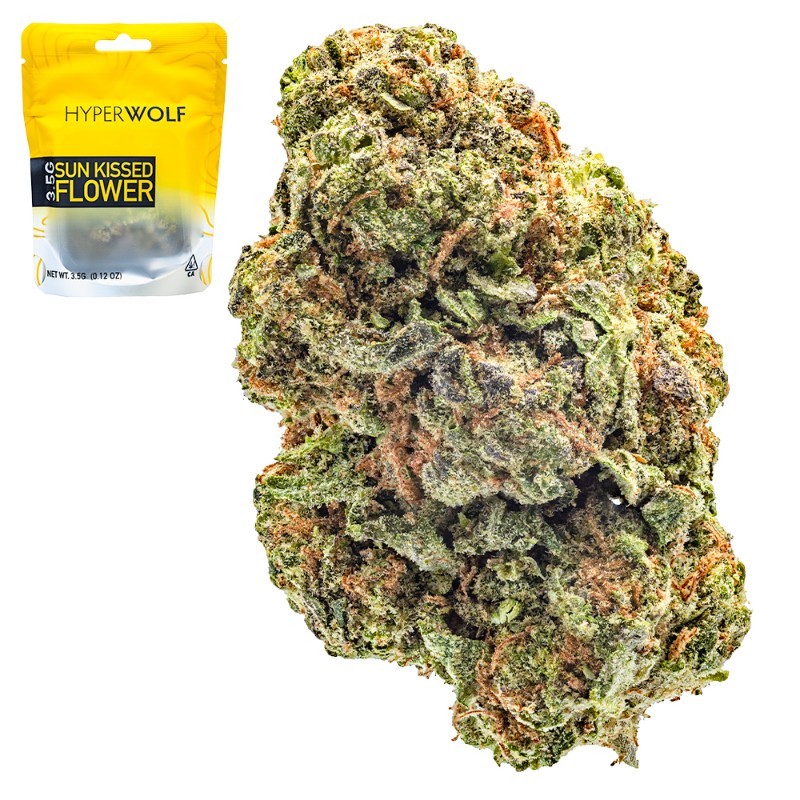
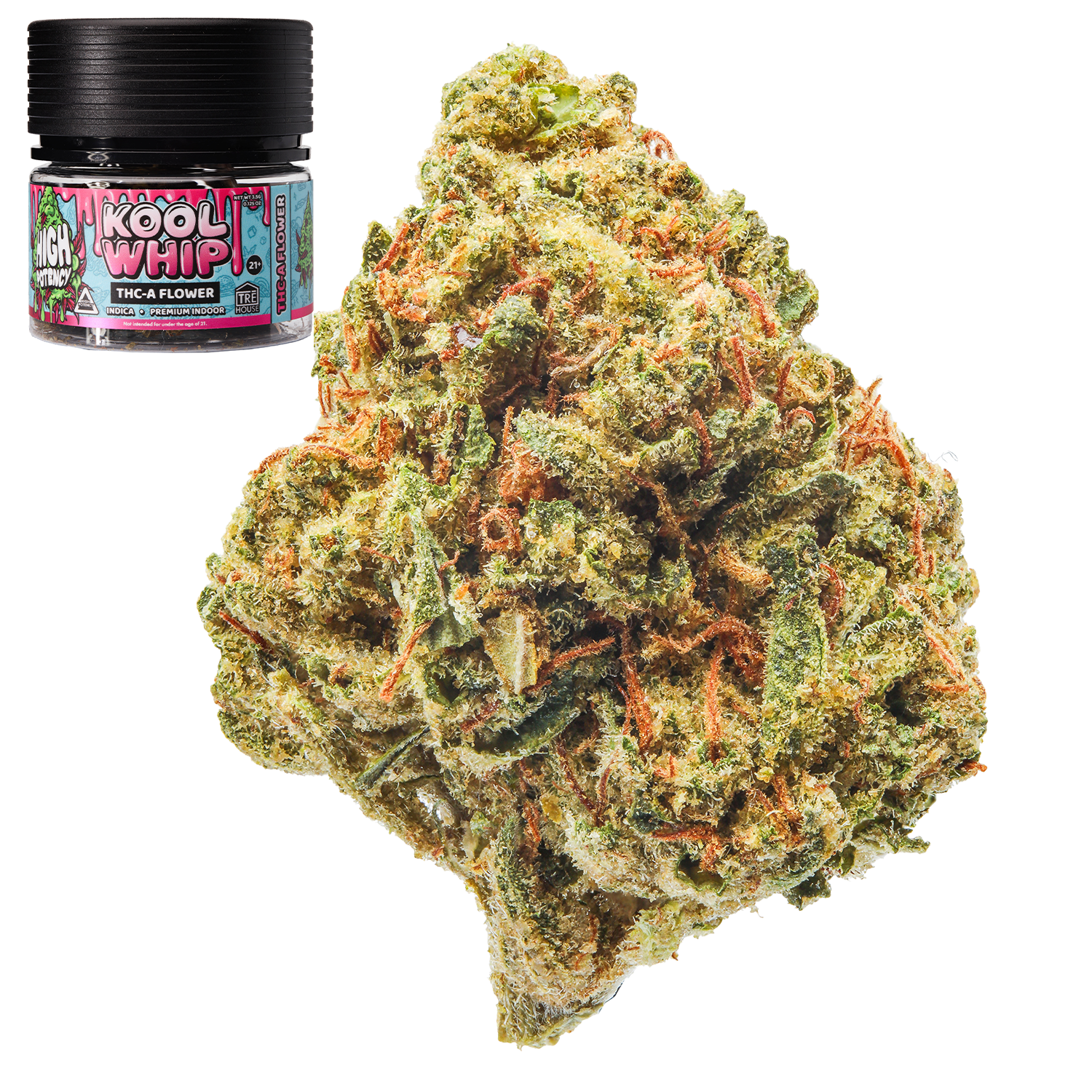
Ocimene-Rich Cannabis Strains
Strains High in Ocimene:
Lemon Skunk: As the name suggests, this strain has a zesty citrus aroma, and ocimene works alongside other terpenes like limonene to enhance the strain’s mood-boosting qualities.
Final Thoughts: Is Ocimene Terpene Right for You?

Jun 22, 2026 Jenna Renz

Jun 22, 2026 Jenna Renz

Jun 22, 2026 Jenna Renz