THCV weight loss is everywhere right now, usually wrapped in a flashy nickname: “diet weed.” Cute. But is it real science, or just marketing with a minty aftertaste?
Let’s do this properly. We’ll cover what THCV is, how it behaves in the body (especially around CB1), what the research actually shows (rodents, early human trials, and the big missing gaps), how it differs from THC, and how to shop for THCV products without getting played.
Quick definition: What is THCV?
THCV (tetrahydrocannabivarin) is a cannabinoid found in cannabis and hemp. It’s structurally similar to THC, but with a shorter side chain, which changes how it interacts with your cannabinoid receptors and how it tends to feel.
Some cannabis cultivars naturally produce more THCV than others. In the hemp wellness world, THCV is now commonly extracted, purified, and added to products like gummies and vapes, often alongside other cannabinoids.
And yes, you can buy it legally in many places in the US. We’ll get to that.
Why THCV got the “diet weed” label
Because of one big idea: THCV may reduce appetite and influence metabolism, at least under certain conditions and doses.
That stands out because THC, for many people, does the opposite. THC is famous for making snacks look like a life purpose. THCV is being marketed as the cannabinoid that tells your brain, “Relax. You’ve eaten enough. Put the chips down.”
That’s the pitch. Now let’s see what the science says.
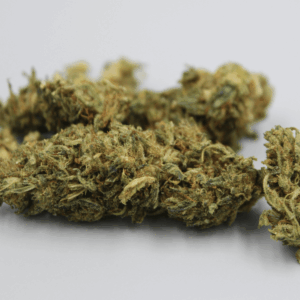
The mechanism everyone talks about: THCV and CB1 antagonism
Here’s the core claim behind THCV for weight management:
- CB1 activation is associated with increased appetite and reward-driven eating.
- Blocking CB1 tends to reduce appetite and can influence metabolic markers.
THC is a CB1 agonist (it activates CB1), which helps explain the munchies in many users.
THCV is more complicated, but a common summary you’ll hear is:
- At lower doses, THCV may behave as a CB1 antagonist or inverse agonist (functionally: it can reduce CB1 activity).
- At higher doses, THCV may partially agonize CB1 (meaning it may act more THC-like in some contexts).
This “dose-dependent” behavior is part of why THCV has a reputation for being more clear-headed and appetite-suppressing at certain doses, but not universally so.
Important reality check: Mechanism is not the same thing as clinical weight loss. It just tells us THCV has a plausible pathway that could affect appetite and energy balance.
The big historical clue: CB1 blockers once looked like weight-loss drugs
If you’re thinking, “Wait, hasn’t medicine tried this before?” Yes.
A pharmaceutical CB1 blocker called rimonabant showed weight-loss and metabolic benefits, but it was pulled or not widely adopted due to psychiatric side effects (notably mood-related risks).
That matters for two reasons:
- It supports the idea that CB1 modulation can influence weight and metabolism.
- It also reminds everyone to be careful, because messing with CB1 has trade-offs.
THCV is not rimonabant. It’s a cannabinoid with different pharmacology and user effects. But the “CB1 blockade for weight” storyline didn’t appear out of thin air.
What the animal studies suggest (rodents, mostly)
A lot of the enthusiasm around THCV comes from preclinical research, meaning lab and animal studies. In rodent models, THCV has been studied for effects that matter to weight management, such as:
- Food intake (appetite)
- Body weight gain under high-fat diets
- Glucose tolerance and insulin sensitivity
- Energy metabolism markers
Some studies have suggested THCV can influence weight gain and metabolic parameters in ways that look promising, particularly in obesity models.
But here’s the rule you should tattoo on your decision-making brain: rodents are not humans.
Rodent results are a “maybe,” not a “yes.” They’re useful for identifying mechanisms and potential directions, not for proving your next gummy will magically shrink your waist.
What the early human research actually says (and doesn’t say)
Now for the part everyone skips in ads.
Human evidence for THCV and weight is early-stage. The most commonly cited human work focuses less on “weight loss” and more on metabolic markers, appetite signaling, and brain responses.
One notable early clinical study looked at THCV in people with type 2 diabetes, examining outcomes like:
- Fasting glucose
- Insulin-related markers
- Other metabolic endpoints
In that study, THCV showed some signals that researchers considered interesting for metabolic health. However:
- The study wasn’t a “THCV makes you lose 15 pounds” trial.
- Results were not a blanket guarantee for weight loss in the general population.
- Dosing, duration, and population matter a lot.
Other human research has looked at how THCV can affect food reward and brain activity in response to food cues. That’s relevant to appetite control, cravings, and eating behavior, but again, it’s not the same as proving meaningful, sustained fat loss.
Translation: what you can honestly claim today
You can reasonably say:
- THCV has a plausible mechanism related to appetite and metabolic regulation (CB1 modulation).
- Preclinical evidence is interesting.
- Early human evidence is promising in narrow contexts, particularly around metabolic markers and food-related processing.
You cannot honestly say:
- THCV is a proven weight-loss supplement.
- THCV will reliably suppress appetite for everyone.
- THCV replaces diet, protein intake, resistance training, sleep, or a calorie deficit.
If a brand says it will “melt fat,” close the tab. Immediately.
THCV vs THC: Same family, very different vibes
THCV and THC are related cannabinoids, but people often report very different experiences.
THC (Delta-9 THC)
- Typically intoxicating
- Often increases appetite
- Can be sedating or stimulating depending on dose/strain/person
- Strong CB1 activation is part of the story
THCV
- Often described as clearer, more functional, less foggy
- May be less intoxicating at common supplemental doses, though effects vary
- Commonly marketed as appetite-supporting (meaning: less hunger)
- Can feel mildly stimulating for some people
But don’t get too comfortable with neat categories. Your endocannabinoid system is not a spreadsheet.
Your product also matters. Many “THCV” products include other cannabinoids (including THC), terpenes, or stimulatory ingredients. If you feel “amped,” it might be THCV. It might also be the rest of the cast.
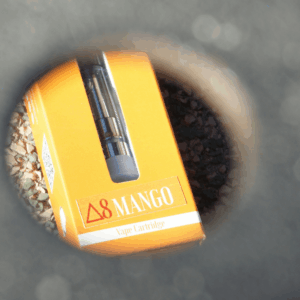
Will THCV actually curb your appetite?
Sometimes, for some people, in some doses. That’s the only responsible answer.
Here’s what tends to influence appetite effects:
- Dose: Lower doses may behave differently than higher doses.
- Format: Vape effects hit fast and fade faster; edibles are slower and longer.
- Your baseline: If you already struggle with hunger and cravings, you may notice more.
- THC content: Even small amounts of THC can change appetite.
- Timing: Using it right before meals versus earlier in the day can feel different.
If you try THCV, treat it like an experiment, not a religion. Track hunger, cravings, and snacking patterns for a week. Repeat. Repeat again. Data beats vibes.
“Diet weed” expectations: set them low, keep them realistic
If you want the straight truth: THCV is not a weight-loss drug. It might be a helpful tool for some people in a broader plan.
Use THCV the way you’d use caffeine for productivity. It can help, but it won’t write the report for you.
The most realistic best-case scenario
THCV might help you:
- Feel less “snacky” between meals
- Reduce impulsive eating for certain trigger foods
- Feel more in control around cravings
- Support metabolic health markers, potentially, depending on your context
The most common actual scenario
You feel:
- A mild shift in appetite, or none
- A clear-headed effect, maybe
- Something subtle enough that you wonder if it’s placebo
And sometimes you feel nothing, because biology is rude like that.
Product formats: how people actually use THCV
THCV products come in a few common formats. Each has a different onset time, duration, and “I can handle my life” factor.
THCV gummies (and other edibles)
- Onset: slow (often 30 to 120 minutes)
- Duration: longer (often several hours)
- Best for: steady, predictable windows; appetite support across part of the day
- Watch out for: overdoing it because “it’s not working yet”
If you’re new, start low. Be patient. Repeat: be patient.
THCV vapes
- Onset: fast (minutes)
- Duration: shorter
- Best for: situational use, like pre-meal cravings or afternoon snack attacks
- Watch out for: lung irritation, product quality, and the temptation to puff your way into nowhere
Buy vapes only from brands that publish robust lab testing. Your lungs are not a beta test environment.
THCV tinctures
- Onset: moderate (often faster than gummies if held under the tongue)
- Duration: moderate
- Best for: dosing control and consistency
- Watch out for: poor labeling and weak formulations
THCV flower (high-THCV cultivars)
- Onset: fast if inhaled
- Duration: moderate
- Best for: experienced cannabis users who know what they’re doing
- Watch out for: THC content and legality in your state
In the hemp market, most people won’t access “natural high-THCV flower” so much as THCV added to hemp-derived products.
THCV isolate (powder)
- Best for: manufacturers and very advanced users
- Watch out for: dosing mistakes
Unless you love micro-scales and risk, stick to consumer products with clear labeling.
Dosing: how much THCV should you take?
There is no universal dose that works for everyone, and the research base is not mature enough to crown a magic number.
So use a practical approach:
- Start low.
- Use one product at a time.
- Hold the dose steady for several days.
- Track appetite, cravings, sleep, mood, and anxiety.
- Adjust slowly.
Avoid stacking THCV with a bunch of other appetite or stimulant ingredients at first. If you change five variables at once, you learn nothing.
Safety, side effects, and who should be cautious
THCV is generally described as well-tolerated in the limited human data we have, but “trending” is not the same as “fully understood.”
Potential side effects reported anecdotally include:
- Reduced appetite (the point, but it can overshoot)
- Dry mouth
- Restlessness or “wired” feeling (especially with vapes or higher doses)
- Changes in sleep (some feel more alert)
Be cautious if you:
- Have anxiety or panic tendencies (a stimulating edge can be a bad party guest)
- Have a history of eating disorders (appetite suppression can be risky)
- Are pregnant or breastfeeding (avoid cannabinoids unless medically advised)
- Take medications for blood sugar or metabolic conditions (talk to a clinician; don’t freestyle interactions)
And yes, THCV products can sometimes include enough THC to matter. Which brings us to the next point.
Will THCV get you high?
It can, depending on:
- Dose
- Product type
- Your sensitivity
- Whether there’s THC in the formula
Many THCV hemp products are designed to be functional, but don’t assume “functional” means “non-intoxicating.”
If you want to stay sober, look for:
- Clear labeling of THCV mg per serving
- Clear labeling of delta-9 THC mg per serving
- Third-party testing that matches the label
And remember: even legal hemp products can contain small amounts of THC. Some people feel that. Some people fail drug tests because of that.
Drug tests: can THCV make you fail?
Standard drug tests usually screen for THC metabolites, not THCV. However, real-world risk still exists because:
- Many THCV products contain trace THC (or more than trace).
- Some products are mislabeled.
- Full-spectrum extracts can include multiple cannabinoids.
If drug testing is a hard constraint for you, treat hemp cannabinoids like a “maybe unsafe” category unless you have:
- THC-free products with reliable COAs
- High trust in the brand
- A willingness to accept residual risk
Legality: Is THCV federally legal?
THCV derived from hemp is generally treated as federally legal under the 2018 Farm Bill, as long as the product meets the requirement of no more than 0.3% delta-9 THC by dry weight.
That said:
- State laws vary and can be stricter.
- Enforcement and interpretations vary.
- Some states restrict certain hemp-derived intoxicating cannabinoids.
Check your local rules. Do not rely on a checkout page that says “ships to your state” as your legal strategy.
How to buy THCV products without getting scammed
This category is growing fast, which means two things:
- Better products are coming.
- So are the clowns.
Use this checklist.
1) Demand a real COA (Certificate of Analysis)
A COA should be:
- Third-party
- Recent
- Specific to your batch or lot number
- Showing cannabinoid potency and contaminant testing (at minimum: heavy metals, pesticides, residual solvents, microbials)
If the COA is missing, outdated, blurry, or “conveniently unavailable,” walk away.
2) Check the actual THCV dose per serving
“THCV blend” means nothing. “THCV enhanced” means nothing. Numbers mean something.
Look for clear mg amounts. If you’re guessing, the brand is winning and you’re losing.
3) Look for THC disclosure, not vibes
If the label is vague about THC, assume it’s there.
If you’re sensitive to THC or avoiding intoxication, choose products that explicitly state:
- Delta-9 THC per serving
- Total THC (if provided)
- Whether it’s isolate, broad-spectrum, or full-spectrum
4) Pick the right spectrum for your goal
- Isolate: THCV only (or close to it). Most controlled. Less entourage effect.
- Broad-spectrum: multiple cannabinoids, typically with THC removed to non-detect or very low. Often a middle ground.
- Full-spectrum: includes THC within legal limits. More “whole plant,” more risk for intoxication and drug tests.
For appetite support without unwanted THC effects, many people start with THCV isolate or broad-spectrum products.
5) Avoid “proprietary blends” that hide the dose
If a brand won’t tell you how much THCV you’re taking, they don’t deserve your money.
How to actually use THCV for weight management (without fooling yourself)
If you want THCV to help, pair it with behavior. Make it earn its keep.
Do this:
Use THCV to reduce decision fatigue, not to erase calories
Take it at the time you usually snack mindlessly. Don’t take it and then “celebrate” with a giant dessert. That’s not weight management. That’s performance art.
Create a boring, repeatable meal structure
Keep breakfast and lunch consistent for a week. Let THCV influence your cravings within a stable routine. Repeat: stable routine.
Prioritize protein and fiber
If THCV reduces appetite, you still need nutrition. Hit protein. Hit fiber. Be an adult about it.
Track one metric: unplanned snacking
Not weight. Not vibes. Track unplanned snacks per day for 7 to 14 days. If THCV helps, you’ll see it there first.
Who THCV might help most
Based on mechanism and user reports, THCV may be more relevant if you:
- Struggle with cravings and food noise
- Tend to overeat in the afternoon or evening
- Want a functional cannabinoid effect without heavy sedation
- Are focusing on metabolic health alongside weight goals (with clinician oversight if needed)
Who should skip “diet weed” entirely
Skip it if you:
- Want guaranteed weight loss
- Don’t want any risk of intoxication or drug test issues
- Have a history of disordered eating patterns
- Prefer evidence that is mature, large-scale, and long-term (fair preference)
If you want boring certainty, stick to boring certainty: nutrition, resistance training, steps, sleep, and patience.
The bottom line: Is THCV for weight management legit?
THCV for weight management is legit as a research direction and maybe legit as a personal tool, but it is not a proven fat-loss shortcut.
The science has a plausible mechanism (CB1 modulation), supportive preclinical work, and early human data that points to metabolic relevance. But we do not yet have robust evidence that THCV reliably produces meaningful weight loss across real people living real lives.
So use it wisely:
- Buy lab-tested products.
- Start low and go slow.
- Track appetite and snacking, not fantasies.
- Pair it with the habits that actually move the scale.
“Diet weed” might help you eat less. It will not outrun your fork.
THCv Weight Loss: FAQs (Frequently Asked Questions)
1. What is THCV and how is it related to cannabis?
THCV (tetrahydrocannabivarin) is a cannabinoid found in cannabis and hemp. It has a structure similar to THC but with a shorter side chain, which affects how it interacts with cannabinoid receptors in the body and influences its effects. Some cannabis strains naturally produce more THCV, and it is often extracted and added to products like gummies and vapes.
2. Why is THCV called “diet weed” and how does it affect appetite?
THCV has earned the nickname “diet weed” because it may reduce appetite and influence metabolism, contrasting with THC, which often increases hunger. The idea is that THCV can signal the brain to feel satiated, potentially helping users eat less under certain doses and conditions.
3. How does THCV interact with the CB1 receptor and why is this important for weight management?
THCV interacts with the CB1 receptor in a dose-dependent manner: at lower doses, it may act as a CB1 antagonist or inverse agonist, reducing CB1 activity linked to appetite stimulation; at higher doses, it can partially activate CB1 like THC. Since CB1 activation is associated with increased appetite, THCV’s modulation of this receptor suggests a plausible mechanism for affecting appetite and metabolism.
4. What does research say about THCV’s effectiveness for weight loss?
While preclinical rodent studies suggest THCV can influence food intake, body weight gain, glucose tolerance, and metabolism positively—especially in obesity models—human research is still early-stage. Clinical trials have shown some metabolic benefits in people with type 2 diabetes but have not conclusively proven that THCV causes significant or sustained weight loss in the general population.
5. Are there any safety concerns related to using THCV for weight management?
Modulating the CB1 receptor has known risks; previous pharmaceutical CB1 blockers like rimonabant were effective for weight loss but withdrawn due to psychiatric side effects such as mood disorders. While THCV differs pharmacologically from these drugs, caution is advised because interfering with CB1 pathways can have trade-offs.
6. How can consumers shop for THCV products without being misled?
When shopping for THCV products, look for reputable brands that provide third-party lab testing confirming purity and cannabinoid content. Be wary of exaggerated claims like guaranteed weight loss. Understand that dosing matters since THCV effects vary by dose. Also, consider that current science supports plausible mechanisms but lacks definitive proof of major weight loss benefits.