Can You Travel with Hemp Products? A State-by-State Guide

Ship to
Is traveling with hemp products legal? Sometimes it’s easily, sometimes it comes with annoying caveats, and sometimes it’s not doable, depending on what you’re carrying, where you’re going, and whether the person inspecting your bag woke up feeling curious.
This guide is for hemp-derived products only: CBD, CBN, and Delta-9 THC gummies that are compliant under federal hemp rules (0.3% THC by dry weight). It is not about high-THC marijuana products. Different laws, different outcomes, different handcuffs.
Let’s keep this simple, accurate, and travel-proof.
Under U.S. federal law, “hemp” generally means cannabis with no more than 0.3% Delta-9 THC on a dry-weight basis. “Marijuana” is cannabis above that threshold.
That 0.3% line is the whole game. It’s also where confusion lives, rents a studio apartment, and never leaves.
What this article does not cover:
If you’re carrying those anyway, you’re playing the travel version of “maybe.”
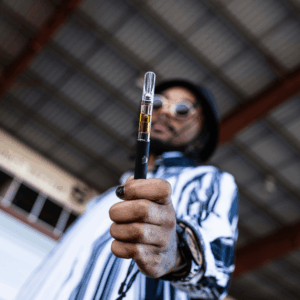
TSA is not a court. TSA is a security agency. Their job is to find weapons and threats, not to run a hemp seminar at the checkpoint.
TSA allows:
TSA still prohibits:
TSA officers are not lab-testing your gummies. If they see something that looks questionable, they can refer it to local law enforcement. Then local law enforcement decides what to do. That’s where state laws suddenly matter a lot.
So here’s your travel mantra: Compliant product, compliant packaging, compliant paperwork. Repeat.
The 2018 Farm Bill legalized hemp federally, but it did not magically make every hemp product welcome everywhere. States can still restrict:
Also important: the Farm Bill’s 0.3% threshold is Delta-9 THC, not “total THC” in every context. Some states use different testing standards and definitions. Yes, it’s as fun as it sounds.
If you want to travel with hemp products and not become the main character at the airport, do this.
Do not put gummies in a zip bag like you’re packing trail mix. Keep:
Original packaging is boring. Boring is good.
A COA shows third-party lab testing. Ideally it includes:
Best practice: save a PDF COA on your phone and keep a printed copy in your toiletry bag. Overkill is underrated.
A receipt or order confirmation that shows:
It’s not always required. It’s often helpful. It never hurts.
TSA liquid limits still apply:
If your product screams “MEGA THC BLASTOFF,” you’re inviting questions. Choose travel-friendly products that look like wellness products because, legally, that’s what they are.
Driving is usually easier than flying because you avoid federal checkpoints. But you’re still subject to:
Treat it like alcohol:
And if you’re carrying anything that could be confused with marijuana (like flower), understand the risk: you can be right and still have a bad day.
Some states are fine with CBD but restrict:
This guide focuses on CBD/CBN and hemp-compliant Delta-9. Even so, laws change fast, and enforcement can be inconsistent.
Your pre-trip checklist:
Now, state by state.
Important note before you treat this as gospel: hemp laws shift. Some states update rules mid-year. Check current state guidance if you’re traveling with anything beyond plain CBD isolate.
Generally allows hemp-derived CBD. Keep products sealed and carry COA.
Hemp-derived CBD is generally allowed. Alaska also has legal cannabis, but that does not mean airports or federal property are relaxed. Keep it hemp and documented.
Generally hemp-friendly. Carry COA for Delta-9 gummies even if compliant. Avoid anything that looks like dispensary cannabis.
Hemp-derived CBD generally allowed. Keep packaging and lab proof.
CBD is common, but California’s rules around ingestible hemp products and additives can be complicated. Practically, travelers commonly carry CBD/CBN gummies. Keep COA and original packaging, especially for Delta-9 hemp gummies.
Hemp-friendly. Still: TSA is TSA, not your chill friend. Carry COA.
Generally allows hemp-derived products. Keep documentation.
Hemp-derived CBD generally allowed. Use standard precautions.
Hemp is legal, but Florida has been active in regulating hemp THC products and packaging. For travel: stick to clearly labeled CBD/CBN or compliant Delta-9 hemp gummies with COA.
Hemp-derived CBD generally allowed. Keep products sealed and documented.
Hemp-derived CBD is generally allowed. Be cautious with bringing anything that can be mistaken for marijuana. Keep it in original packaging with a COA.
Historically strict. Idaho has been known for tougher attitudes around THC. Even if your product is federally hemp-compliant, this is a state where you should be extra cautious. If you must carry hemp products here, stick to THC-free CBD (isolate) with clear labeling and COA.
Generally hemp-friendly. Documentation recommended.
Hemp-derived CBD generally allowed, but the state has had stricter views in the past. Carry COA. Avoid anything ambiguous.
Hemp-derived CBD is generally allowed. Keep packaging and COA.
Hemp-derived CBD generally allowed. Keep documentation.
Hemp-friendly state with major hemp production. It’s advisable to still carry a COA for peace of mind.
Allows hemp products but regulates hemp THC. Stick to clearly compliant products with a COA.
Generally hemp-friendly. Always carry a COA.
Hemp-derived CBD generally allowed. Documentation recommended.
Generally allows hemp-derived CBD. Keep the COA for Delta-9 gummies.
Hemp-friendly state. It’s wise to keep documentation anyway.
Typically allows hemp-derived products. However, Minnesota has had specific rules around edible cannabinoids and serving limits in the past. If you’re bringing hemp-derived Delta-9 gummies, ensure that labeling and COA are clean and conservative.
Hemp-derived CBD generally allowed. Always carry a COA.
Generally hemp-friendly state. Use standard precautions.
Hemp-derived CBD generally allowed. Carry a COA.
Hemp-derived CBD generally allowed, but enforcement attitudes can vary. Keep your COA handy and avoid anything that could be mistaken for marijuana.
Generally hemp-friendly. Keep documentation.
Hemp-derived CBD generally allowed. Carry a COA.
Generally allows hemp-derived products. Carry a COA for Delta-9 gummies.
Hemp-friendly state. Keep documentation.
Generally allows hemp-derived CBD, but New York regulates cannabinoid hemp products actively, so keep compliant packaging and COA at hand.
Hemp-derived CBD generally allowed. Documentation recommended.
Generally allows hemp-derived products. Always carry a COA.
Hemp-derived CBD generally allowed. Carry a COA.
Hemp-derived CBD generally allowed. Documentation recommended.
Hemp-friendly state. Still, keep your COA handy.
Generally allows hemp-derived CBD. Always carry a COA.
Hemp-derived CBD generally allowed. Keep documentation.
Hemp-derived CBD generally allowed. Keep packaging and COA.
Historically strict. While hemp is legal, be conservative. Stick to THC-free CBD if possible and keep documentation.
Hemp-friendly. Carry COA.
Hemp-derived CBD is legal. Texas can be strict in practice, and hemp flower can cause confusion. For gummies and tinctures: keep COA, keep packaging, and don’t act like you’re smuggling treasure.
Allows hemp-derived CBD, but the state has been strict about cannabis generally. Stick to well-labeled products and keep COA.
Hemp-friendly. Keep documentation.
Hemp-derived CBD generally allowed. Keep COA.
Hemp-friendly. Documentation recommended.
Generally allows hemp-derived CBD. Keep packaging and COA.
Hemp-derived CBD generally allowed. Documentation recommended.
Hemp-derived CBD generally allowed. Carry COA.
If you want the simplest rule: be extra cautious in states with a history of strict THC enforcement or confusing hemp interpretations. Commonly cited caution states include Idaho, South Dakota, Nebraska (sometimes), and Utah (procedurally strict).
In these states:
Repeat: keep COA + receipt + original packaging.
Hemp Delta-9 gummies can be federally compliant because gummies are heavy. A gummy can contain a few milligrams of Delta-9 THC and still stay under 0.3% by dry weight.
That legal math is real. It’s also confusing to officials who only hear “Delta-9 THC” and stop listening.
So if you travel with hemp Delta-9 gummies:
If your goal is zero friction, travel with CBD/CBN instead. If your goal is carrying hemp Delta-9, do it properly and document everything.
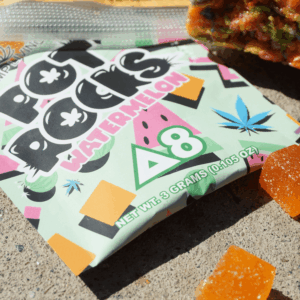
Do this in order. Do not freestyle it.
Be boring. Be calm. Be documented.
Inside the U.S., you’re navigating federal hemp rules plus state quirks. Internationally, you’re dealing with:
Some countries treat any THC as illegal. Some treat CBD as illegal regardless of THC. Some allow CBD only with a prescription. Some allow it but don’t allow you to import it. It’s a choose-your-own-adventure book, but every ending is “confiscated.”
If you’re flying internationally, do not assume your hemp product is allowed. Check:
International travel is where “but it’s hemp” goes to die.
Even in legal states, federal property can complicate cannabis issues. Hemp-derived CBD under 0.3% Delta-9 is federally lawful, but you can still run into policy restrictions or misunderstandings. In such cases, it’s wise to be informed about the law enforcement policies regarding cannabis in different jurisdictions.
Cruise lines often have strict policies. Many treat cannabis-related products as prohibited, sometimes including CBD. Check the cruise line’s prohibited items list before you pack.
If you’re buying specifically to travel, prioritize:
Be practical. Be predictable. Be boring again.
You can absolutely travel with hemp-derived CBD, CBN, and federally compliant hemp Delta-9 gummies in many cases. But legality is not the same as a smooth airport experience.
So do it right:
Travel light. Travel smart. Keep your hemp legal, labeled, and boring. Boring gets you to baggage claim on time.

Jun 22, 2026 Jenna Renz

Jun 22, 2026 Jenna Renz

Jun 22, 2026 Jenna Renz