What Is HHC? A Complete Guide to This Rising Cannabinoid

Ship to
What is HHC?! If you find yourself asking that very question… stay tuned.
HHC, or hexahydrocannabinol, is making waves in the federally legal weed world as a promising alternative to traditional THC. If you’ve browsed through new cannabis products lately, you might have noticed HHC popping up in vapes, edibles, and tinctures. But what exactly is it? How does it compare to THC and CBD, and why is it suddenly gaining traction?
At its core, HHC is a hydrogenated form of THC, meaning it has a slightly different chemical structure that makes it more stable and potentially longer-lasting. While it occurs naturally in hemp in trace amounts, most of the HHC on the market today is created in labs through a process called hydrogenation—more on that later.
With shifting cannabis laws, many consumers are looking for legal alternatives to Delta-9 THC, and HHC has emerged as an option that might offer similar effects while existing in a gray area of legality. But is it worth trying?
In this guide, we’ll break down everything you need to know about HHC, from its origins to its effects, legality, and how it stacks up against other cannabinoids.
HHC isn’t exactly new. In fact, it was first discovered in the 1940s by American chemist Roger Adams, a pioneer in cannabis research. Adams successfully altered the chemical structure of THC by adding hydrogen molecules, a process now known as hydrogenation. While his discovery didn’t make headlines at the time, it laid the foundation for the modern production of HHC.
For decades, HHC remained in the shadows as THC and CBD took center stage. The recent explosion of interest in hemp-derived cannabinoids, fueled by the 2018 Farm Bill, has brought HHC back into the spotlight.
Since HHC can be derived from hemp, it’s now being marketed as a potential legal alternative to traditional THC. But unlike Delta-8 and Delta-10 THC, which are structurally very similar to Delta-9, HHC is slightly different, which raises questions about how it interacts with the body and whether it should be classified as THC at all.
One of the most interesting aspects of HHC is how it’s made. Unlike THC, which is extracted directly from cannabis plants, HHC is typically created through a chemical process called hydrogenation. If that word sounds familiar, it’s because it’s the same process used to turn vegetable oil into margarine.
Here’s how it works:
Because HHC can be derived from hemp, manufacturers can produce it legally under the 2018 Farm Bill, provided the starting material is hemp-derived CBD. However, this lab-based process has sparked debates about whether HHC should be classified as a naturally occurring cannabinoid or a semi-synthetic one.
Regardless, the final product is remarkably similar in effect to THC, with some key differences.
To understand how HHC compares to THC, we need to look at its structure and effects. While HHC and THC are nearly identical at the molecular level, the hydrogenation process makes HHC more chemically stable. This means it resists breakdown better than THC, potentially giving it a longer shelf life.
When it comes to potency, HHC lands somewhere between Delta-8 THC and Delta-9 THC. It’s often described as milder than traditional THC but more potent than Delta-8. Some users report that HHC delivers a smoother, less anxious high compared to Delta-9, which may be appealing to those who find THC too intense.
Another key difference is that HHC exists in two forms: 9R-HHC and 9S-HHC. The 9R version binds effectively to cannabinoid receptors, producing noticeable effects, while the 9S version has a weaker affinity, meaning some batches of HHC may feel more potent than others.
Like other cannabinoids, HHC interacts with the endocannabinoid system (ECS), which helps regulate mood, pain, sleep, and appetite. Specifically, HHC binds to CB1 and CB2 receptors, similar to THC, which is why it produces psychoactive effects.
Users commonly report experiencing:
However, as with any cannabinoid, individual experiences vary. Some people may find HHC more energizing, while others feel more sedated. The specific effects depend on factors like dosage, metabolism, and the ratio of active isomers in the product.
The short answer: Yes, HHC is psychoactive. However, its effects are generally reported to be less intense than Delta-9 THC. If Delta-9 THC is the standard for cannabis intoxication, HHC is often considered to be about 70-80% as potent.
Some users describe HHC as having a mellow high that is mentally stimulating but not overwhelming. It may also last longer due to its chemical stability. Unlike Delta-9, which can degrade into CBN (a non-intoxicating cannabinoid), HHC maintains its potency over time.
For those who experience anxiety or paranoia from THC, HHC may offer a smoother alternative. However, like all cannabinoids, the effects are subjective and depend on individual biology.

While research on HHC is still in its early stages, anecdotal reports and preliminary insights suggest that this cannabinoid may offer a range of potential benefits similar to those of THC.
Many users have reported positive effects related to pain management, stress relief, sleep improvement, and appetite stimulation.
However, it’s important to note that scientific studies on HHC are limited, and more research is needed to fully understand its medicinal properties and therapeutic potential.
One of the most commonly reported benefits of HHC is pain relief, particularly for those dealing with chronic pain and inflammation. Some users claim that HHC helps alleviate discomfort associated with conditions such as arthritis, migraines, and nerve pain.
Given that THC has well-documented pain-relieving properties due to its interaction with the body’s endocannabinoid system (ECS) and CB1 and CB2 receptors, it’s possible that HHC functions in a similar manner. However, without extensive clinical research, it remains unclear whether HHC is as effective as THC or CBD in reducing pain and inflammation.
HHC may also have potential anxiolytic (anti-anxiety) properties, providing a sense of relaxation and calm for those who struggle with stress or anxiety. Some users describe its effects as milder and smoother than Delta-9 THC, making it a potential option for individuals who experience paranoia or heightened anxiety when consuming traditional cannabis. The idea is that HHC may offer a balanced high, providing relaxation without the overwhelming psychoactive effects that some users associate with THC.
However, it’s important to note that individual responses to cannabinoids vary. While some people may find that HHC reduces stress and tension, others may experience mild anxiety or dizziness, particularly at higher doses. Controlled studies would be needed to determine whether HHC has consistent anti-anxiety benefits or if its effects are purely subjective.
For those struggling with insomnia or restless sleep, HHC might offer potential benefits as a natural sleep aid. Anecdotal evidence suggests that higher doses of HHC may promote deeper relaxation and sleep, similar to how THC is sometimes used to combat sleep disturbances. This effect could be beneficial for individuals who have trouble falling asleep or staying asleep throughout the night.
The potential sedative effects of HHC could be linked to how it interacts with the CB1 receptors in the brain, which are known to regulate sleep cycles.
However, this effect may depend on dosage, individual tolerance, and the specific type of HHC consumed (9R-HHC vs. 9S-HHC). Some users report feeling more energized or mentally stimulated at lower doses, while higher doses tend to lead to a heavier, more body-focused relaxation that may aid sleep.
Like THC, HHC may also play a role in stimulating appetite, making it a potential option for individuals who struggle with poor appetite due to medical conditions, stress, or certain medications. Many cannabis users are familiar with the infamous “munchies” effect of THC, where food cravings intensify after consumption. While reports on HHC’s appetite-stimulating effects are still limited, some users claim that it increases hunger in a way that feels slightly less intense than Delta-9 THC but still noticeable.
For medical cannabis patients who rely on appetite stimulation to maintain a healthy diet, HHC could be a viable alternative—especially in regions where Delta-9 THC remains restricted or illegal. However, without controlled studies, it’s unclear how HHC compares to THC in its effectiveness for appetite stimulation.
Beyond these commonly reported effects, some experts speculate that HHC could have neuroprotective properties, similar to those observed in other cannabinoids.
Research on THC and CBD suggests that cannabinoids may help protect brain cells from oxidative stress and neurodegenerative diseases, such as Alzheimer’s and Parkinson’s. Since HHC interacts with the same cannabinoid receptors as THC, it’s possible that it shares some of these benefits.
However, at this stage, any claims about HHC’s neuroprotective effects remain theoretical, and further research is needed to determine its long-term impact on brain health.
As with any cannabinoid, HHC isn’t without risks. Potential side effects may include:
Another concern is product quality. Since HHC is synthesized in labs, not all products are created equal. It’s crucial to buy from reputable brands that provide third-party lab testing to ensure purity and safety.
So, the #1 question on every stoner’s mind: Is HHC legal?
HHC exists in a legal gray area. Because it can be derived from hemp, it falls under the 2018 Farm Bill, which legalized hemp-derived cannabinoids. However, some states have specifically banned HHC, similar to how they’ve restricted Delta-8.
Since cannabis laws are constantly evolving, it’s best to check your local laws before purchasing HHC.
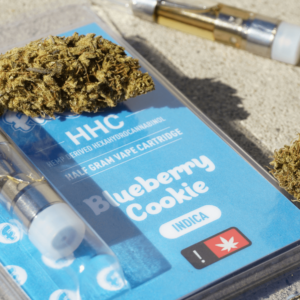
As HHC gains popularity, a growing variety of products are hitting the market, catering to different consumption preferences. Whether you prefer fast-acting effects or a more gradual onset, there’s likely an HHC product that suits your needs.
Since the HHC market is still developing, quality can vary significantly between brands. To ensure you’re getting a safe and effective product, always look for third-party lab-tested options that verify purity and potency.
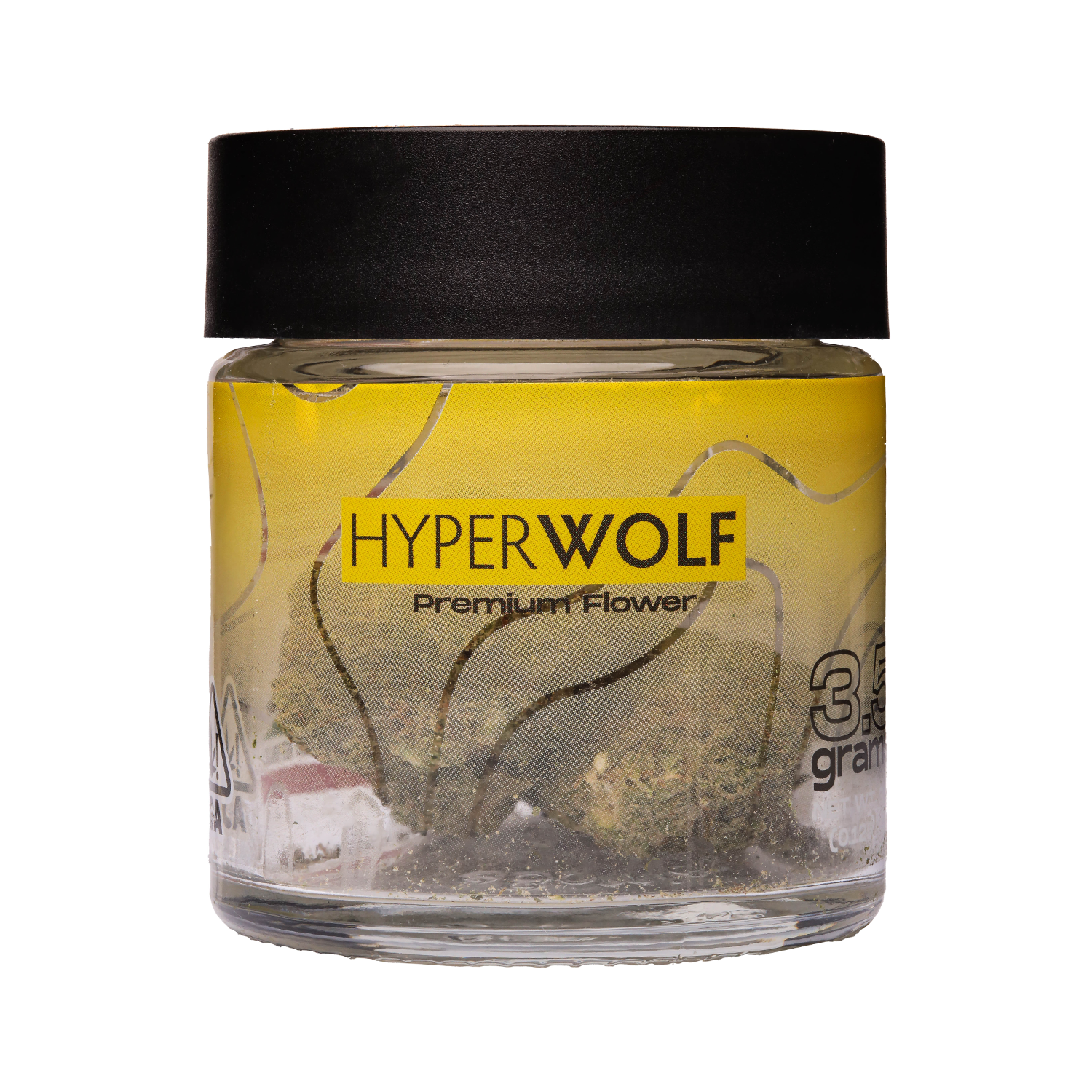
Reputable brands like Hyperwolf will provide certificates of analysis (COAs), which confirm the absence of contaminants such as heavy metals, solvents, and residual chemicals used during production.

If you’re new to HHC, follow these tips:
HHC is an exciting addition to the world of psychoactive cannabinoids, offering a legal alternative to THC with a smoother, milder high.
While it shares many effects with the psychoactive substance Delta-9 THC, its legal status and unique properties make it a compelling option for cannabis users looking for something new.
As always, the key to a positive experience is education and responsible use. If you’re curious about HHC, do your research, choose reputable brands, and enjoy the ride.

Jun 22, 2026 Jenna Renz

Jun 22, 2026 Jenna Renz

Jun 22, 2026 Jenna Renz