Why Edibles Feel Stronger Than Smoking (Metabolism Explained, Simply)

Ship to
Why do edibles hit harder comes down to metabolism, not magic.
Let’s break it down simply: digestion → liver → stronger metabolite + slower onset → people overdo it.
That’s the whole story. Now let’s make it crystal clear.
Smoking sends THC straight to your bloodstream through your lungs, then to your brain. Fast in, fast out.
Edibles send THC through your stomach and intestines, then into your blood, then through your liver first. Your liver converts THC into a different compound that can feel stronger and more psychedelic for many people. Also, it takes longer, so people take more before the first dose even shows up.
That combo is why edibles can feel like a polite cookie that turns into a boss fight.
Think of THC like a VIP trying to enter a club (your brain).
This is the express elevator.
This is the scenic route with construction and a surprise detour.
Here’s the simple chain reaction that makes edibles feel stronger.
Your edible has to dissolve and move through your digestive system. Food, fiber, stomach acid, and how fast your stomach empties all affect timing.
If you ate a big meal, THC might take longer to show up. If you ate something fatty, it might hit more reliably. More on that in a minute.
Most THC from edibles is absorbed in the small intestine, then sent into your bloodstream.
But before it gets to the rest of your body, there’s a gatekeeper.
Your liver processes substances coming from your digestive tract before they fully circulate. This is called first-pass metabolism.
During this process, THC (specifically delta-9-THC) is converted into metabolites, including one that matters a lot for the edible experience:
11-hydroxy-THC is often described as:
Not everyone experiences it the same way, but this metabolite is a big reason edibles can feel heavier than smoking the “same” amount.
So yes, your liver is basically remixing your THC into a different track. And it’s bass boosted.
This is the most common edible disaster story:
Edibles are slow because they require:
That delay creates a dosing trap: you don’t get immediate feedback, so you keep stacking doses.
And stacking doses is how a 5 mg plan becomes a 30 mg situation.
Smoking flower is like flicking a light switch. Edibles are like turning on the bathtub faucet and realizing the drain is slow.
Edibles last longer because:
That’s why edible highs can feel not just intense, but inescapable. With smoking, you can usually “ride it out” quickly. With edibles, you’re committed.
You and your friend can eat the exact same gummy and have completely different nights. This is normal.
Here’s what changes the experience.
THC is fat-soluble. Differences in body fat, hydration, and metabolism can affect how THC is distributed and cleared.
Your liver uses enzymes to process THC. People vary in enzyme activity. Translation: some people convert THC to 11-hydroxy-THC more efficiently than others.
If you smoke daily, you might still get rocked by edibles. Tolerance doesn’t always transfer perfectly between inhaled and oral THC because the experience involves different timing and metabolite profiles.
A gummy on an empty stomach can hit faster for some people, but also feel more unpredictable. With fatty foods, THC may absorb more effectively and feel stronger.
Not all edibles are created equal. Some are made with distillate, some with full-spectrum extracts, some use emulsions, and some include minor cannabinoids.
Even when the label says the same milligrams, the felt experience can differ.
People often say smoking is easier to manage. It is.
With inhalation:
With edibles:
Edibles are not inherently bad. They’re just less forgiving.
Let’s be precise.
Edibles often feel stronger because:
So it’s not only about milligrams. It’s about pharmacokinetics, aka how your body processes the substance over time.
Yes, that word sounds like a villain. No, you don’t need a degree to survive it.
This is the “how did I end up here” section.
The classic. The undefeated champion of bad highs.
Do this instead: Wait longer than you think you need. Then wait a bit more.
A 10 mg edible is not “one puff.” It’s a full journey for many people, especially beginners.
Do this instead: Start low. Go slow. Repeat: start low. Go slow.
Alcohol can intensify THC effects and make the experience less predictable.
Do this instead: If you’re new or cautious, skip alcohol entirely.
This can lead to faster absorption for some people and a more chaotic onset.
Do this instead: Have a light, normal meal. Don’t run your body on vibes.
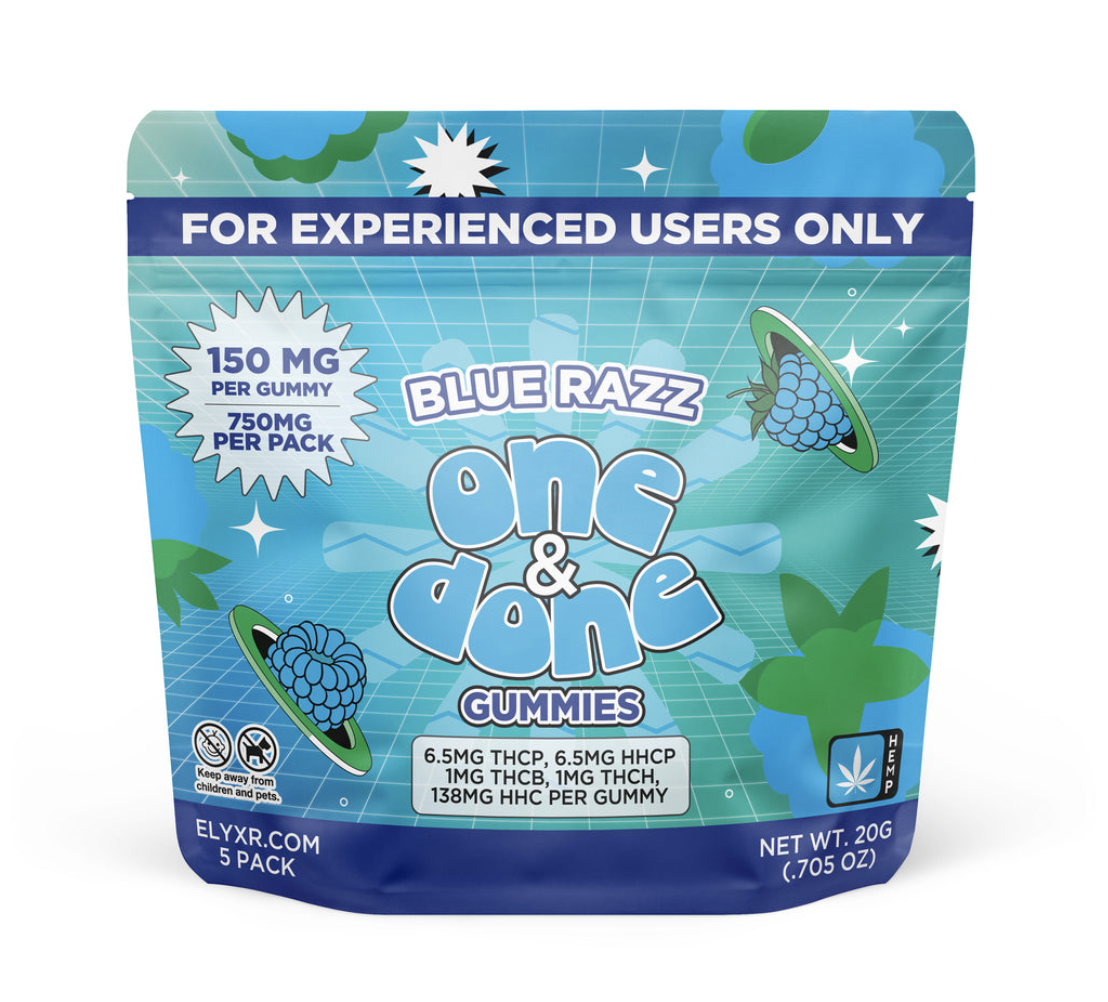
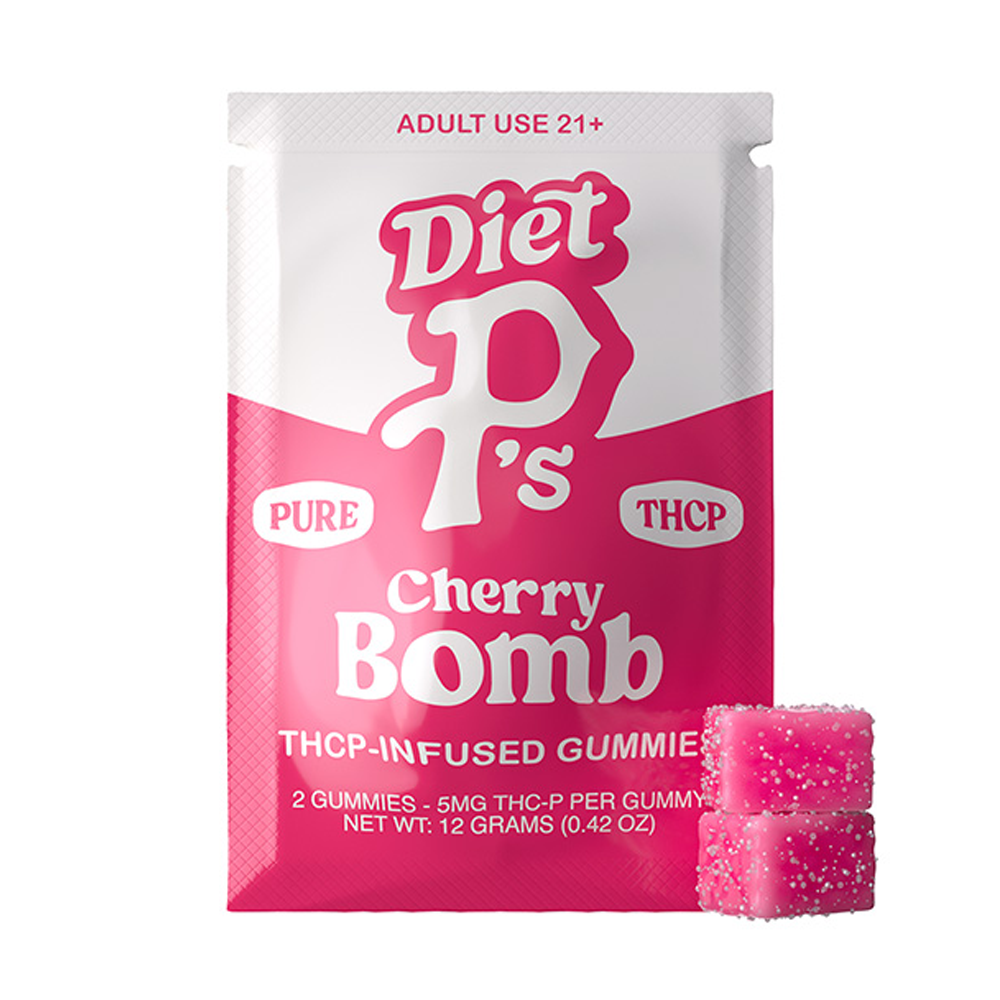
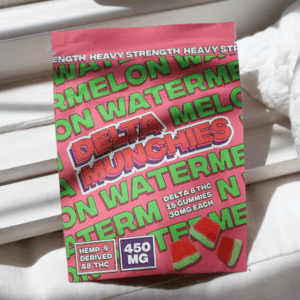
Some packages contain multiple servings. Some gummies are 10 mg each. Some are 100 mg per piece. Yes, that exists. Yes, it’s rude.
Do this instead: Verify:
Then trust math, not confidence.
Homemade edibles can be wildly inconsistent. One brownie corner can be a nap. Another corner can be a portal.
Do this instead: Be extra conservative with homemade doses, especially if potency is unknown.
Edibles have a way of making you forget you took an edible.
Do this instead: Set a timer and write it down. Yes, like a responsible adult. Put it in your notes app. Make it unsexy. Unsexy is safe.
This is not medical advice. This is practical, common-sense harm reduction for people who want to have a decent time and wake up still respecting their choices.
If you’re new, your goal is not “maximum effect.” Your goal is “pleasant.”
A small dose can be great. A big dose can be educational in the worst way.
Use a simple rule: take your dose, then wait long enough to truly assess it before redosing. Edibles peak late. Respect the timeline.
If you want a deeper breakdown of timing, read this: Edibles dosing and onset guide.
Do not test a new edible at:
Try it somewhere safe, familiar, and comfortable. Control the environment. Control the experience.
If you’re learning how edibles affect you, keep it simple:
Have water nearby. Have light snacks available. Don’t let “I forgot to eat” become part of the plot.
Do not take more THC to “fix it.” Do not panic-scroll. Do not convince yourself you are dying because your heart is beating like it has a deadline.
Instead:
If you find yourself in an overwhelming situation, consider seeking help from a friend or using trip-sitting strategies to navigate through the experience safely.
With edibles, the lever you control is not “how fast it ends.” The lever is “how well you ride it out.”
Your job is to stay calm and comfortable until the peak fades.
Prefer:
Avoid “mystery brownies” from your buddy’s cousin unless you enjoy living dangerously.
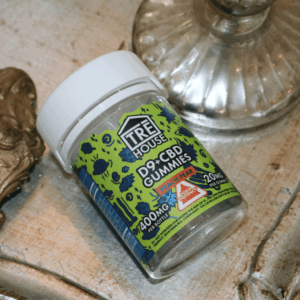
Use this rule of thumb:
If you treat edibles like smoking, you will eventually get humbled. Edibles are patient. They will wait.
Because oral THC is processed by the liver and converted into 11-hydroxy-THC, which can feel more intense for many people. Edibles also hit slower and last longer, which increases the chance of taking too much and experiencing a stronger peak.
Commonly 30 to 120 minutes, depending on your stomach contents, metabolism, and the product. Some people feel effects sooner, others later. The peak often arrives 2 to 4 hours after dosing.
Delayed onset plus dose stacking. The first dose takes time to process, so taking more too early can cause both doses to hit close together later, creating a sudden and intense peak.
Edibles are absorbed and processed more slowly, and the metabolites stay active longer. Smoking delivers THC quickly and it declines faster, while edibles create a longer curve of effects.
They can. Not always, but often. The liver-created metabolite and longer duration can make the experience feel stronger, deeper, or more immersive compared to inhalation.
Sometimes they can feel faster or less predictable on an empty stomach. For many people, taking edibles after a light meal leads to a smoother, more consistent experience.
Differences in liver enzymes, tolerance, body composition, stomach contents, and even product formulation can change onset, peak, and intensity. Two people can take the same dose and have very different results.
Use three rules:
For a step-by-step approach, use this: Edibles dosing and onset guide.
Stay calm and get comfortable. Change your environment, sip water, eat a light snack if that helps, and use slow breathing. Avoid taking more substances. Most importantly, remind yourself the effects are temporary and will fade with time.
For many beginners, yes. Some people do fine, others get uncomfortably high. Starting with a smaller dose is often the safer move, especially if you’re sensitive or unsure how edibles affect you.
Some people can, especially at higher doses, but not everyone. The intensity can also make it hard to fall asleep. Planning ahead with a low dose and a calm setting is a better strategy than trying to “escape” afterward.

Jun 22, 2026 Jenna Renz

Jun 22, 2026 Jenna Renz

Jun 22, 2026 Jenna Renz