Delta-8 and Air Travel: What TSA Won’t Tell You

Ship to
Imagine this: You’re packing for your upcoming flight, double-checking your essentials—passport, wallet, headphones, snacks.
Flying with Delta-8 isn’t as straightforward as tossing it in your bag and hoping for the best. While this hemp-derived cannabinoid exists in a legal gray area, federal and state laws, airline policies, and TSA guidelines all play a role in determining whether you can legally take Delta-8 on a flight. In this comprehensive guide, we’ll break down everything you need to know about traveling with Delta-8, from federal laws and TSA policies to packing tips and potential risks.
By the end of this article, you’ll have a clear understanding of whether you can (or should) fly with Delta-8, how to minimize risks if you do, and what to do if TSA stops you. Let’s dive in.
Delta-8 THC is a naturally occurring cannabinoid found in cannabis and hemp plants. Chemically, it’s almost identical to Delta-9 THC—the compound responsible for the traditional cannabis “high”—but with slight differences in molecular structure that result in a milder psychoactive effect. Most Delta-8 available on the market is derived from hemp, which makes it federally legal under the 2018 Farm Bill as long as it contains less than 0.3% Delta-9 THC.
Many users turn to Delta-8 because it offers a smoother, more manageable experience compared to Delta-9, with effects that are often described as clear-headed and functional. However, despite its federal legality, individual states have imposed their own restrictions on Delta-8, which complicates matters when it comes to travel. So, can you fly with delta 8? Keep reading to find out.
The Transportation Security Administration (TSA) is responsible for ensuring passenger safety, but does that mean they’re actively looking for Delta-8 products? Not exactly.
TSA’s primary focus is security threats—explosives, weapons, and other dangerous items. Their screening procedures are designed to detect prohibited substances, but when it comes to cannabis-related products, TSA’s official stance is as follows:
Since Delta-8 is hemp-derived and falls under federal guidelines, it isn’t automatically flagged as illegal. However, there’s a catch: TSA officers aren’t trained to differentiate between Delta-8 and Delta-9 THC, and if they suspect you’re carrying an illegal substance, they may escalate the situation to law enforcement.
The federal government classifies Delta-8 as legal when derived from hemp, but individual states have the power to ban or regulate it as they see fit. So, when discovering can you fly with delta 8, this is where things get tricky for travelers.
While Delta-8 is legal in many states, over a dozen have restricted or banned it outright. Some of these states include:
If you’re flying from or to a state where Delta-8 is illegal, carrying it through an airport could result in legal trouble. Even if you board a plane in a Delta-8-friendly state, landing in a state where it’s banned could lead to complications if you’re caught with it.
Each airline has its own policies regarding cannabis products, but since they operate under federal aviation regulations, most follow the general rule that hemp-derived products are allowed only if they comply with the 2018 Farm Bill.
Major airlines like Delta, American, United, and Southwest don’t explicitly mention Delta-8 in their policies, but they prohibit any form of marijuana (including medical marijuana) or federally illegal substances. Because Delta-8 exists in a legal gray area, attempting to fly with it could lead to varying outcomes depending on the TSA agent or airline staff you encounter.
For those who want to avoid potential hassles, checking with your airline before your flight is a smart move.
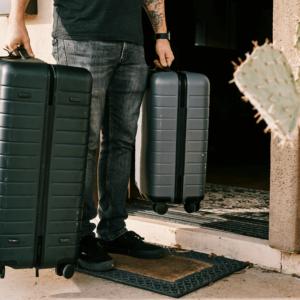
If you decide to fly with Delta-8, knowing how to pack it can make all the difference. Both carry-on and checked bags have their pros and cons:
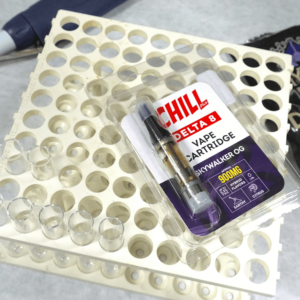
If you’re flying with a Delta-8 vape, you need to follow TSA’s federal regulations for batteries and liquids:
To avoid leaks, store vape cartridges in a plastic bag and keep them upright.
Compared to vapes and flower, edibles and tinctures tend to be the least suspicious when flying. TSA primarily focuses on security threats rather than minor cannabis-related products, and since they don’t specifically screen for food, properly sealed Delta-8 gummies often pass through security without issue. As long as your edibles are in their original, labeled packaging and clearly indicate they are hemp-derived, they are less likely to raise red flags during a routine bag scan.
However, homemade or unmarked edibles could pose a problem. A bag of loose gummies or an unmarked tincture bottle may be mistaken for traditional cannabis products, which could lead to additional screening or even confiscation. Tinctures, in particular, should follow TSA’s liquid rules, meaning they must be in a container no larger than 3.4 ounces and stored in a quart-sized bag.
To minimize risk, stick to commercially packaged products that clearly display compliance with federal hemp regulations. This simple step can make a big difference in ensuring a hassle-free travel experience.
Taking Delta-8 on an international flight is not recommended. Many countries have strict anti-cannabis laws, and even hemp-derived THC products can be illegal. Countries like
Japan, Singapore, and the UAE impose severe penalties for cannabis-related substances, including potential jail time.
When in doubt, leave Delta-8 at home before traveling abroad.
If TSA discovers your Delta-8 product, several things could happen:
The best response? Stay calm, know your rights, and be prepared to explain that it’s a federally legal hemp product.
If flying with Delta-8 seems risky, consider these alternatives:
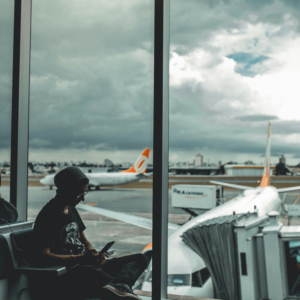
So, can you fly with delta 8? At the end of the day, flying with Delta-8 is a calculated risk. While it’s federally legal under the 2018 Farm Bill, the reality is that state laws, TSA policies, and airline regulations create a complicated landscape for travelers. Some states welcome Delta-8, while others ban it outright, meaning that even if you legally board a flight with it, you could run into legal trouble upon landing. Additionally, TSA agents aren’t trained to distinguish between Delta-8 and Delta-9 THC, which could lead to unnecessary scrutiny, confiscation, or even involvement from local law enforcement.
If you decide to fly with Delta-8, do your homework first. Research both your departure and destination states to ensure compliance with local laws, pack your cannabis products carefully (preferably in original packaging with clear labeling), and be prepared to answer questions if necessary. While many travelers successfully bring Delta-8 on flights without issues, there is always a degree of uncertainty when dealing with evolving cannabis laws.
When in doubt, consider safer alternatives. Buying Delta-8 at your destination (if legal) can eliminate unnecessary stress, or you might choose CBD products, which are widely accepted and pose fewer legal risks.
At the end of the day, it’s all about understanding the risks, planning ahead, and making the best decision for your travel needs. Safe travels, and enjoy your trip!

Jun 22, 2026 Jenna Renz

Jun 22, 2026 Jenna Renz

Jun 22, 2026 Jenna Renz