What Is CBG in Gummies? A Deep Dive into Cannabigerol Edibles

Ship to
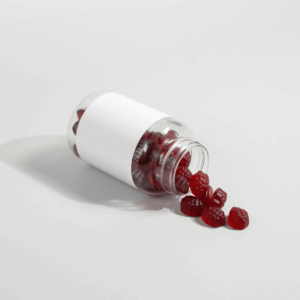
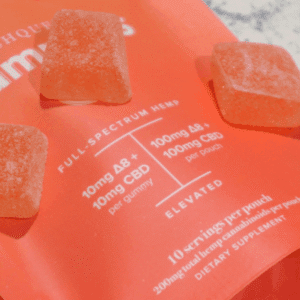
Known as the “mother cannabinoid,” CBG is a minor cannabinoid found in the cannabis sativa plant that serves as a precursor to the more familiar THC and CBD. While research into CBG is still in its early stages, preliminary cannabinoid research and anecdotal reports suggest that it offers several potential benefits for overall well-being, including anti-inflammatory properties, pain relief, mental clarity, and stress relief. CBG gummies, in particular, provide a convenient and discreet way to experience CBG’s potential benefits. Unlike smoking or vaping, gummies allow for controlled dosing, longer-lasting effects, and a pleasant, edible experience. In this guide, we’ll explore what CBG is, how it works in the body, the potential benefits of CBG gummies, safety considerations, and tips for incorporating them into your wellness routine. CBG, short for cannabigerol, is a non-psychoactive cannabinoid found in the cannabis sativa plant. It’s considered a minor cannabinoid because it is typically present in small amounts in most cannabis strains, often less than 1%. Despite its low concentrations, CBG is incredibly important because it is the chemical precursor for other major cannabinoids like THC, CBD, and CBC. Cannabigerolic acid (CBGA) is the acidic form of CBG, which converts into THC and CBD as the cannabis plant matures. This process means that strains rich in CBG, or cannabigerol predominant cannabis preparations, are typically harvested earlier in the plant’s growth cycle to preserve the compound. CBG is a non-psychoactive cannabinoid, meaning it does not produce the “high” associated with THC, making it attractive for users seeking the potential perceived medical effects of cannabinoids without psychoactive effects. CBG interacts with the endocannabinoid system (ECS), a network of receptors, enzymes, and endocannabinoids that helps regulate the body’s homeostasis. The ECS plays a key role in pain perception, mood regulation, appetite, immune response, and the body’s response to stress. CBG works by binding to cannabinoid receptors in the ECS, particularly CB1 receptors in the brain and nervous system and CB2 receptors in the immune system and peripheral tissues. Research indicates that CBG may influence neurotransmitter release, helping the body achieve the right balance in various physiological systems. By interacting with the ECS, CBG may contribute to: The way the body reacts to CBG may vary depending on factors such as body weight, metabolism, tolerance, and whether it’s taken alongside other cannabinoids like CBD or THC. CBG gummies are edible products infused with pure CBG or broad spectrum products containing CBG along with minor cannabinoids. Gummies provide a non-psychoactive, convenient, and tasty way to experience CBG’s benefits. Unlike other cannabis products such as flower or concentrates, gummies allow precise dosing, making them ideal for beginners and experienced users alike. These gummies are typically made with natural ingredients, may be gluten free, and come in a variety of flavors and potencies. Each gummy usually contains a small dose of CBG, allowing users to gradually explore CBG’s benefits and find the optimal dose for their wellness routine. The process of making CBG gummies involves several key steps: This ensures that each gummy delivers a consistent dose of CBG, making it easier to incorporate into your daily wellness routine. CBG gummies are available in a variety of formulations to suit different preferences and needs: Other options include gluten-free, vegan, or sugar-free gummies, which may be important for individuals with dietary restrictions or specific wellness goals. One of the most discussed benefits of CBG is its anti-inflammatory effects. Preclinical CBG research suggests that CBG may help reduce inflammation, making it potentially useful for conditions like rheumatoid arthritis, inflammatory bowel disease, or general pain relief. CBG may influence pain perception by interacting with cannabinoid receptors in the nervous system. Early experimental therapeutics indicate that CBG could help reduce chronic pain and pain associated with certain conditions, offering a natural alternative to prescription medications. Some cannabinoid research suggests that CBG may have neuroprotective properties, supporting brain cells and the brain and nervous system. This could be particularly beneficial for mental clarity and maintaining overall well-being. CBG may act as an anxiolytic, promoting stress relief, reducing anxiety, and helping maintain mental health. Users often report a calm yet clear-headed feeling, which can enhance focus without sedation. Unlike CBD, CBG may support appetite stimulation, which can be helpful for individuals experiencing appetite loss due to medical conditions or treatment side effects. Some preliminary CBG research suggests potential benefits for colon cancer and other cell-regulation processes, though these findings are in early stages and require more clinical study. While both CBG and CBD are non-psychoactive cannabinoids, they interact differently with the endocannabinoid system. Combining CBD and CBG in gummies may enhance the entourage effect, potentially amplifying CBG’s benefits and supporting overall well-being. Unlike THC, CBG is a non-psychoactive cannabinoid, meaning it will not produce psychoactive effects. THC gummies, on the other hand, induce a high due to CB1 receptor activation in the brain and nervous system. CBG gummies are generally preferred by users seeking relief from pain, anxiety, or inflammation without altering mental state, making them ideal for daytime use or a controlled wellness routine. Taking CBG gummies is straightforward, but timing and dosage are key: CBG gummies are absorbed through the digestive system, so onset is slower than inhalation methods: The slow onset makes CBG gummies ideal for sustained relief of chronic pain, stress, and anxiety throughout the day. CBG is generally considered CBG safe for most users. However, potential adverse effects can include: CBG may interact with prescription medications, so it’s recommended to consult a healthcare provider before use. Always check for third party tested products and verify a certificate of analysis (COA) to ensure consumer safety. Selecting high-quality CBG gummies is crucial: CBG derived from hemp is legal in the U.S. under the 2018 Farm Bill, provided it contains less than 0.3 THC. State laws may vary, so it’s essential to confirm local regulations before purchasing or consuming cannabis products. Research and anecdotal evidence suggest CBG may offer potential benefits for several conditions: For optimal results, incorporate CBG gummies into a holistic approach: CBG gummies offer a convenient, tasty, and non-psychoactive way to experience CBG’s benefits. Early CBG research suggests potential for pain relief, anti-inflammatory effects, enhanced focus, mental clarity, and anxiety relief, making them an appealing option for those seeking alternative medicine approaches to support overall well-being. As always, start with a small dose per gummy, choose high-quality, third-party tested products, and consult a healthcare professional if taking prescription medications or managing health conditions. With consistent use and the right dosage, CBG gummies can become a valuable part of a balanced wellness routine, supporting mental health, stress relief, and pain management without psychoactive effects. CBG may still be considered a minor cannabinoid, but its potential is promising, and the growing variety of cannabigerol predominant cannabis preparations means more options for consumers looking to integrate natural ingredients and cannabinoid products into their daily lives. la/shop/trait/cannabinoids/cbg">Cannabigerol (CBG) has been quietly gaining attention in the world of cannabinoids and cannabis products. But what is CBG in gummies?
What Is CBG?
How CBG Works in the Body
What Are CBG Gummies?
How CBG Gummies Are Made

Types of CBG Gummies
Potential Benefits of CBG Gummies
Anti-Inflammatory Properties
Pain Relief
Neuroprotective Properties
Anxiety and Stress Relief
Appetite Stimulation
Potential Anti-Cancer Effects
CBG vs. CBD Gummies
CBG vs. THC Gummies
How to Take CBG Gummies

How Long Do CBG Gummies Take to Work?
Are CBG Gummies Safe?
Choosing the Best CBG Gummies
Legal Status of CBG Gummies
CBG Gummies for Specific Conditions
Combining CBG Gummies with a Wellness Routine
Conclusion

Jun 22, 2026 Jenna Renz

Jun 22, 2026 Jenna Renz

Jun 22, 2026 Jenna Renz